These answers explain the planning choices before a real site assessment. Use them to specify the work and identify missing evidence. The provider must confirm the actual conditions, availability and cost.
01 /Use the answer to frame your next question
Keep the relevant report, recording and service dates available. If information is missing, ask how it changes the assessment rather than treating uncertainty as a completed check.
02 /Which answer belongs in your inspection brief?
Choose the question that matches your decision: a purchase, a recurring symptom, an older recording or a completed repair. Note the property, relevant dates, records held and what remains unknown. The inspector can then assess the entry point and coverage needed. A request does not become stronger by guessing the pipe material, condition or ownership; uncertainty is useful information when it is clearly labelled.
Use the recording and written report together. If a sentence does not make clear which section was surveyed or which interval supports a finding, ask for that connection. Keep observations, interpretations and proposed tasks distinct. A buyer, owner or manager can review those boundaries without becoming a specialist in defect coding. Specific purchase terms and legal responsibility belong with the appropriate advisers and authority records.
FAQAll questions
Is a sewer scope part of every home inspection?
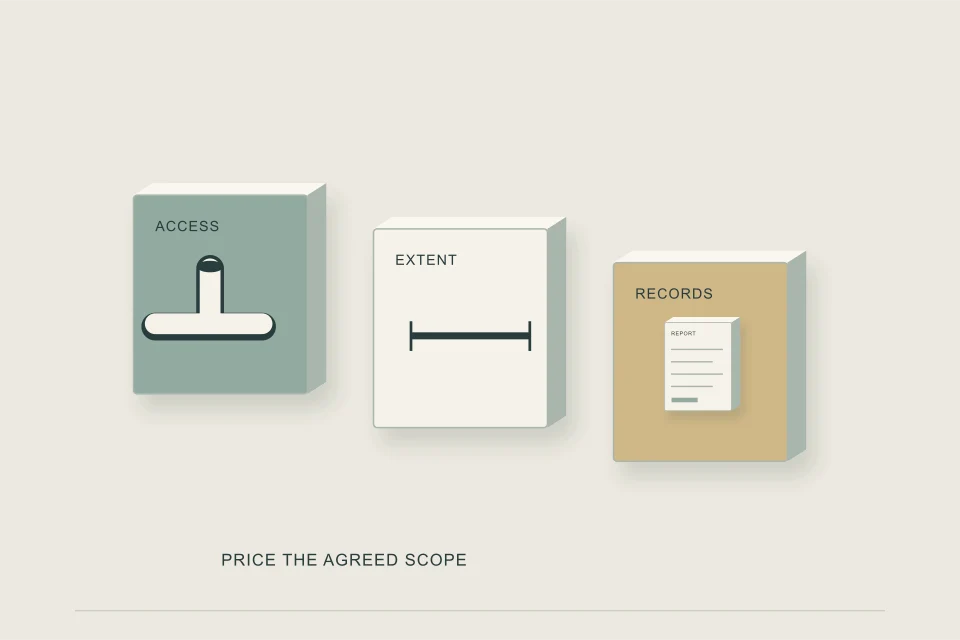
Do not assume an underground camera survey is included in another inspection service. Confirm the sewer scope, practical access and reporting package separately before booking. State your decision deadline and ask when the original recording and written summary will arrive. If access cannot be confirmed in advance, have the booking terms explain how an incomplete attempt and any additional tasks will be handled.
Will I receive the original video?
Make the original recording an explicit deliverable and ask how it will be supplied. A short clip or still image can highlight a finding but should remain connected to the full record and its route context. Confirm whether you can download the file and whether a shared link expires. Keep your own copy with the written report so a later reviewer can inspect the same evidence.
What if the camera cannot pass a blockage?
Ask for the recorded stopping point, reason for the limitation and the section still unseen. Discuss what a further task is expected to reveal before approving it. Appropriate clearing, another access point or a return survey may be proposed after a site assessment. Until the missing section has been assessed, do not treat a partial recording as evidence that the entire intended line was inspected.
Can a second opinion use old footage?
A reviewer can consider what the older recording actually shows, but it may not answer a current-condition question. Send the original file, report and recommendation you want reviewed. Explain later cleaning, repairs or new incidents. Ask the reviewer to identify which conclusion is supported by that record and whether a fresh survey is needed, rather than silently treating historical footage as a new inspection.
Does a camera measure remaining pipe life?
A sewer camera records visible observations within the surveyed section; it does not supply a reliable expiry date for the whole pipe. Ask the inspector what the findings support, what the view could not establish and what further assessment matters to your decision. Keep future-performance expectations separate from the documented condition and from any contractor’s proposed repair method or price.
Do roots always mean replacement?
A root observation needs its recorded location, extent and surrounding context. Ask whether the view was obscured and whether further investigation is needed before choosing a method. Clearing a passage and assessing pipe structure are different questions. A repair contractor should explain the evidence for its proposal and the limits of alternatives. Avoid using an isolated image as a universal instruction to replace an entire line.
Should a post-repair inspection be specified?
Discuss the completion record before approving the repair, including the relevant section, entry point, original recording and written explanation of any limitations. Ask the contractor which separately required authority inspections or tests apply to its work. A camera record can document visible completion evidence without replacing other requirements. Retain it with the original findings and repair scope so the sequence remains understandable.
Can I identify legal ownership from the footage?
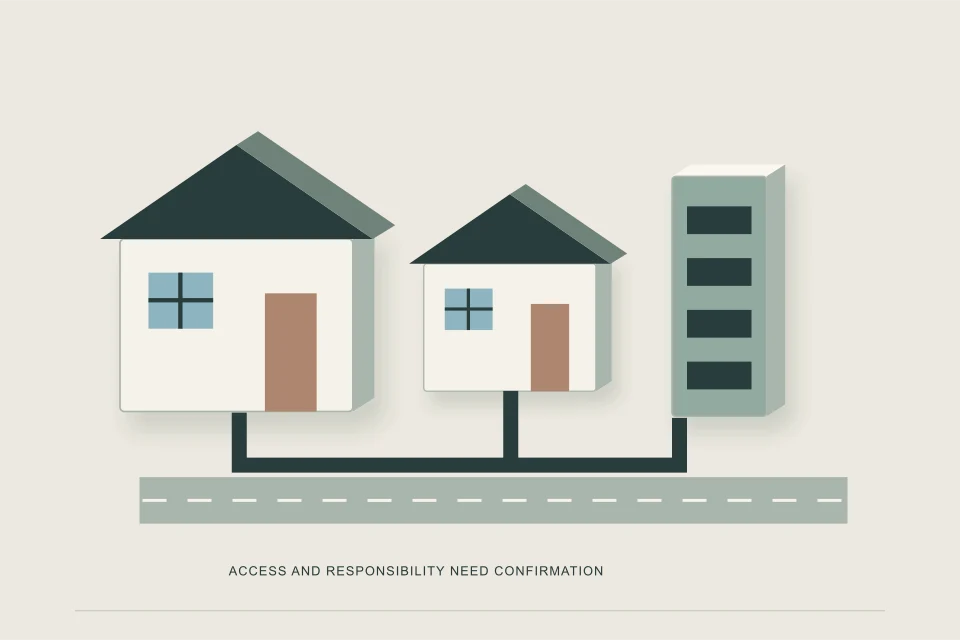
The camera record describes the inspected route and observations, not a legal responsibility decision. A property boundary, easement or municipal policy may need separate confirmation from the utility and property documents. Ask the provider to label inferred routes and measured locating separately. Do not assign responsibility for a defect solely from the footage counter or from an illustrative lateral drawing on this portal.
Is the illustrated model footage from a job?
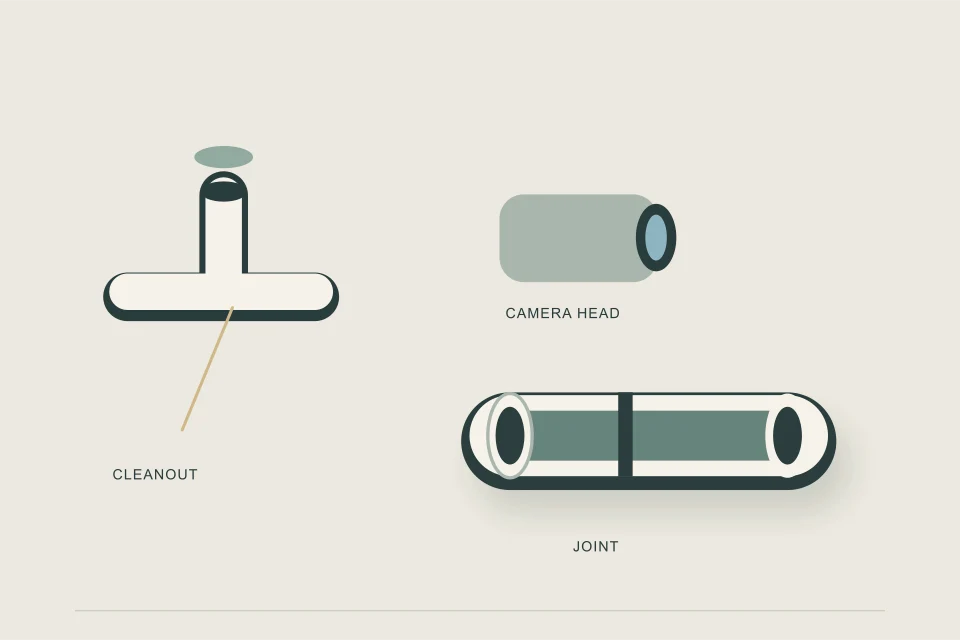
The portal scenes are explanatory drawings that help you understand an observation or booking question. They are not to scale, do not locate your line and are not recordings of completed HAUSE inspections. Use your actual provider’s video and stated coverage when making a property decision. The scene controls can help prepare a question, but they cannot determine a repair method or certify the pipe.
How do I request an inspection?
Use the inspection builder to organize the purpose, property context, known access and records. Continue to the quote form, review the editable brief, enter contact details and submit with consent. A provider must confirm the real appointment, coverage, availability and price. Ask HAUSE can also help explain a term, with a separate consented form if you want to share a conversation for team follow-up.
Is a footage distance the same as an excavation location?
A recorded travel distance helps a reviewer find an interval in the inspection. It should not be converted into a surface digging position without the required property-specific locating and assessment. Ask whether locating is included, which finding was located and what its record states. A route inferred from old drawings should remain labelled as an assumption until the relevant evidence confirms it.
What should a written sewer report contain?
Ask for the property and inspected asset, entry point, direction, extent reached, references to findings and explicit limitations. The report should distinguish observations from recommendations and connect images to the original video. Include any uninspected sections beside the conclusion. A useful report explains why further information may be needed; it does not have to force a pass-or-fail label onto a limited survey.
What information helps with repeated blockages?
Collect incident dates, affected fixtures, previous cleaning invoices and original recordings. Distinguish occupant-reported symptoms from findings a provider documented. Explain any changes since the last survey. This gives the inspector a pattern to investigate without assuming the same hidden defect caused every incident. Ask what the next inspection needs to reveal and which coverage would make that question answerable.
Can a residential scope specification suit a managed commercial site?
A commercial or shared-property survey may involve several assets, different access arrangements and a reporting format required by an asset manager or engineer. State the property type and proposed assets before booking. Ask the provider to identify included and excluded runs. A single house-purchase recording should not be assumed equivalent to a survey of every building connection on a managed site.
What if the inspection area is unsafe or sewage is backing up?
Prioritize appropriate assistance and safe access rather than trying to extend the camera survey. Stay clear of contaminated water and affected electrical equipment. Calgary 311 can assess possible municipal involvement in an active backup. Do not open confined-space access or enter pits for an inspection enquiry. Record the limitation and retain the resulting service report for a later survey once the area is safe.