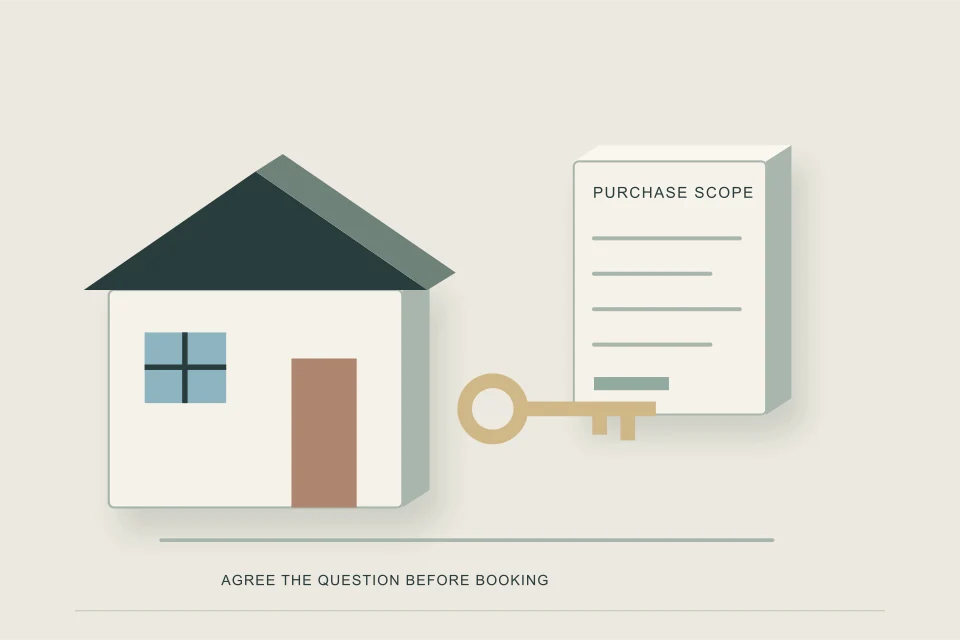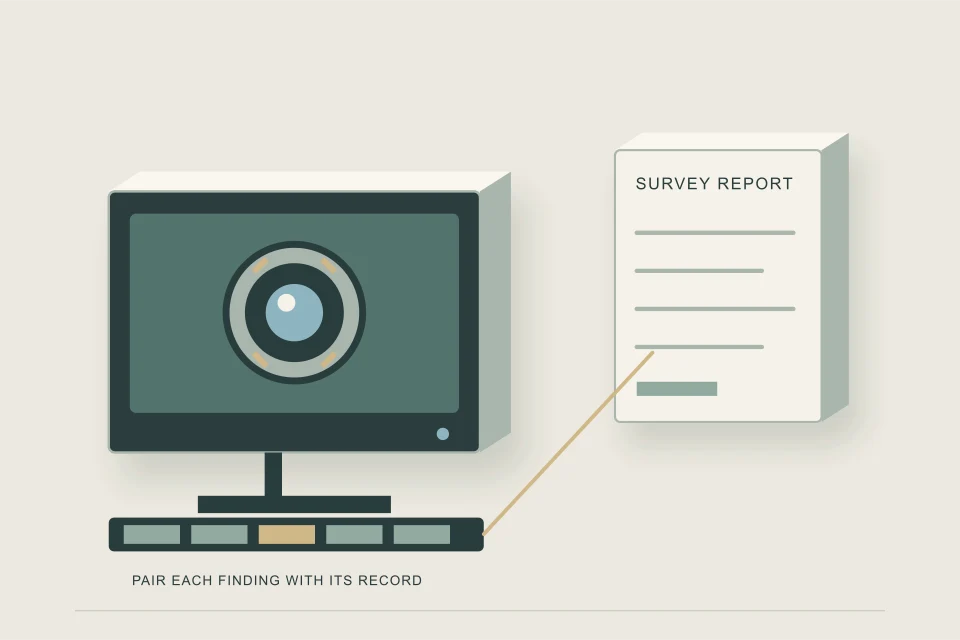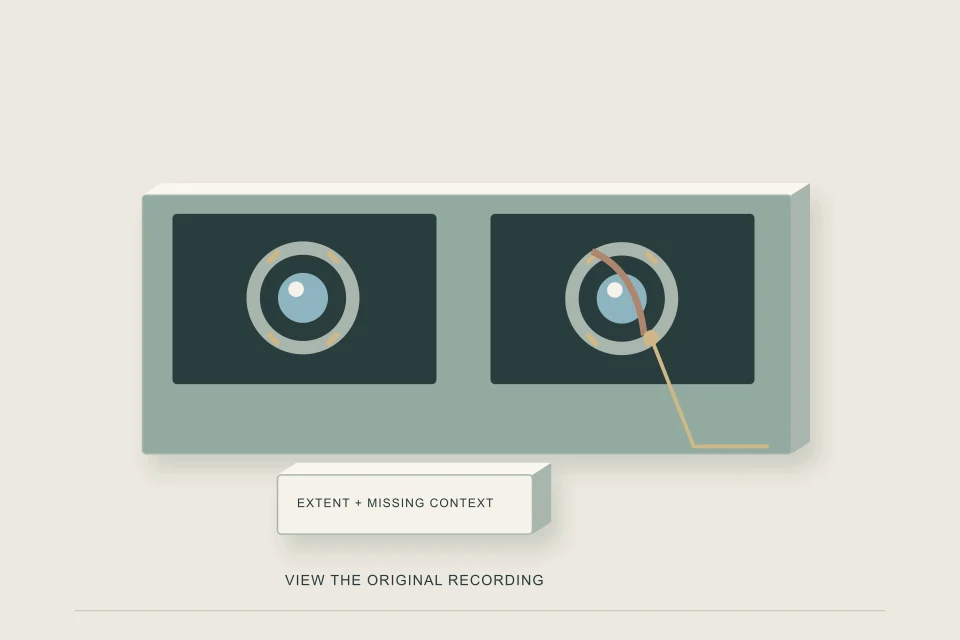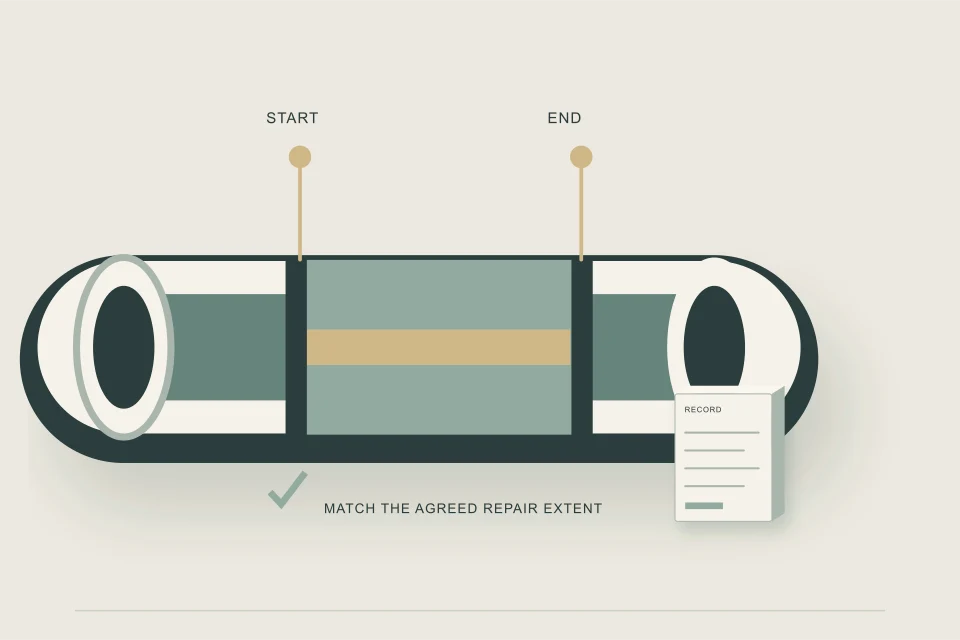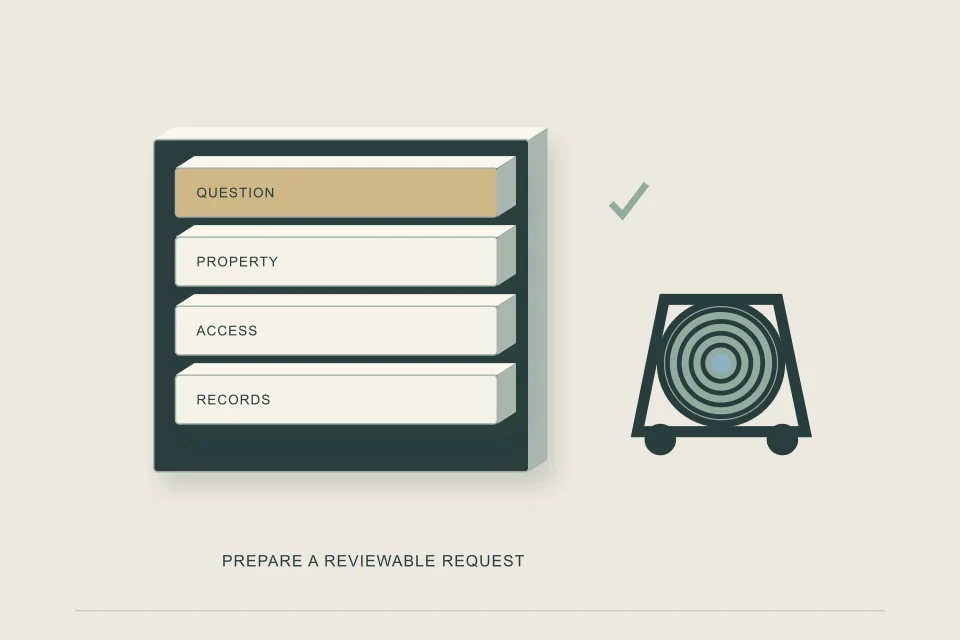
Choose the reason for the survey, type of property, available entry point and records already held. The tool produces an inspection outline that you can take into the quote form and edit. Exploring the choices does not contact the team or diagnose the pipe.
- Choose the inspection question before supplying contact details.
- Describe access and existing records without guessing.
- An existing-footage review can start with a defined evidence question.
- Review the editable outline and provide consent before it is sent.
Build your inspection scope
01 /Build the appointment around the question
A pre-purchase appointment needs a decision deadline and a usable recording. A review of existing footage may need no site visit at first. Selecting the reason keeps the request focused on what you need to learn.
If access is uncertain, say so in the builder. The inspector can then discuss a feasible entry point and the potential limitation before arriving. Include any past service or recording dates when you review the outline.
02 /Move the outline into the request
Continue to the quote form when the outline describes the job. This browser tab keeps it for two hours, and the form lets you replace or expand it before sending. Contact details and consent are supplied in that separate step.
An outline does not reserve an appointment or establish a price. The provider must confirm practical coverage and deliverables. An active sewage incident requires urgent assistance rather than waiting for a planned scope request.
03 /Which inspection question should you choose?
Choose the reason that best describes the decision you need to make. “Buying a property” is a request for useful evidence before a purchase decision. “Repeat blockage” connects a history of symptoms and clearing work to a condition question. “After repair” focuses on the approved work and completion files. “Review existing footage” asks a reviewer to consider an existing record rather than assuming a new visit must be the first step.
The selection does not diagnose the pipe or establish the service you will ultimately need. Use the editable request to explain the actual question and any deadline. If several reasons apply, describe their relationship rather than expecting the menu to prioritize them automatically. For example, a purchaser with an old video may need to know whether it addresses the relevant route and whether current evidence is required before the decision.
04 /What does each field add to the inspection brief?
| Field | Useful interpretation |
|---|---|
| Reason | The decision the recording or review should support |
| Property | The context for access, shared assets and permissions |
| Camera access | What is identified or still unknown |
| Records already held | Whether there is a report, video, both or neither |
Use “Video only” when that is what you have; a recording is not automatically a written report. If you only have a shortened clip, make that clear when editing the final message. If access is unknown, choose the corresponding option rather than promising a cleanout. The provider must still evaluate suitable entry and the practical extent before confirming the appointment.
05 /How should you describe the files you already hold?
Give each file its inspection date, route information if known and the question it is intended to answer. State whether you can supply the original video, a written summary or only an extracted image. Tell the reviewer about later cleaning, repairs or new symptoms. Do not treat a file from an earlier owner or provider as a current survey without its context and permission to share it.
If a proposed repair is what you want reviewed, describe the method and intended limits beside the relevant recording interval. A reviewer may be able to answer a narrow question from the existing record or may identify a missing view or locate. The tool cannot evaluate the video itself. It prepares the enquiry so a qualified person can explain what the record supports and which additional evidence would matter.
06 /What can you safely say about access?
Say what you know without creating a hazard to complete the form. You can identify an accessible cleanout or explain that entry has not been confirmed. Do not open a cap on a backed-up line, enter a pit or remove finishes to make the selection look complete. For a shared property, identify the authorized manager and any entry permissions still needed. A safe, existing access record may be useful to the provider.
Where “Existing footage only” describes the first request, say whether you are seeking a remote review or willing to discuss a later visit if the record is insufficient. That option does not mean a fresh inspection can never be needed. The provider should connect a proposed appointment to the evidence gap, then confirm the route, reporting and access arrangements before you rely on it being booked.
07 /What should you review in the separate quote form?
Review the generated scope, selected property type, timing and the records described. The temporary outline is carried into the same tab’s form and accepted there for up to two hours; the message remains editable. Add the private location, decision deadline and contact information in that separate step. Remove assumptions that do not apply, and make the requested original recording and written findings clear.
Consent is required before the request is submitted. A successful request is for team review, not an automatically reserved camera visit or a property certification. A responding provider must confirm capability, coverage, availability and terms. Ask HAUSE can help with definitions and question preparation, but any chat follow-up is a separately reviewed and consented request. For sewage rising now, seek appropriate urgent assistance rather than waiting for a planned inspection conversation.
FAQQuestions people ask
What if I have a video but no written report?
Choose Video only and explain whether it is the original complete recording or a limited extract. Add its date, route information and the specific question in the editable request. A qualified reviewer can assess whether it is sufficient and what else is needed. Do not choose a combined video-and-report option simply because a spoken comment accompanies the footage.
Will the builder recommend replacing my sewer?
No. It prepares an outline from your selected context. A description or animated camera example cannot establish your pipe’s measured condition, location or a suitable repair method. Use the request to arrange evidence review, and have the qualified provider connect any recommendation to actual findings and stated limits.
Can I change the message after continuing?
Yes. Review and edit the copied outline in the quote form before submitting. Add the location, deadline, records and unresolved question. The initial selection is not binding and does not authorize work. If the outline is unavailable because the tab’s storage did not carry it, enter the relevant scope directly in the form and review it with the same care.
NETWORKGo deeper across the HAUSE Sewer network
Who does sewer scope inspections, and how to choose one
Who does sewer line inspections, how to find a sewer camera inspection company near you, what to ask before booking, and the red flags to watch for.
SewerCleaners.caHow to hire a sewer cleaner: the checklist, the questions and the paperwork
How to hire a sewer cleaner in Canada: questions to ask, insurance and WCB coverage in Alberta, a written scope template, red flags, and how to compare quotes.
PipeCleaning.caCondo and apartment drain stack cleaning
Condo and apartment drain stack cleaning: why kitchen stacks back up on lower floors, how stacks are jetted or descaled, and how boards schedule it.