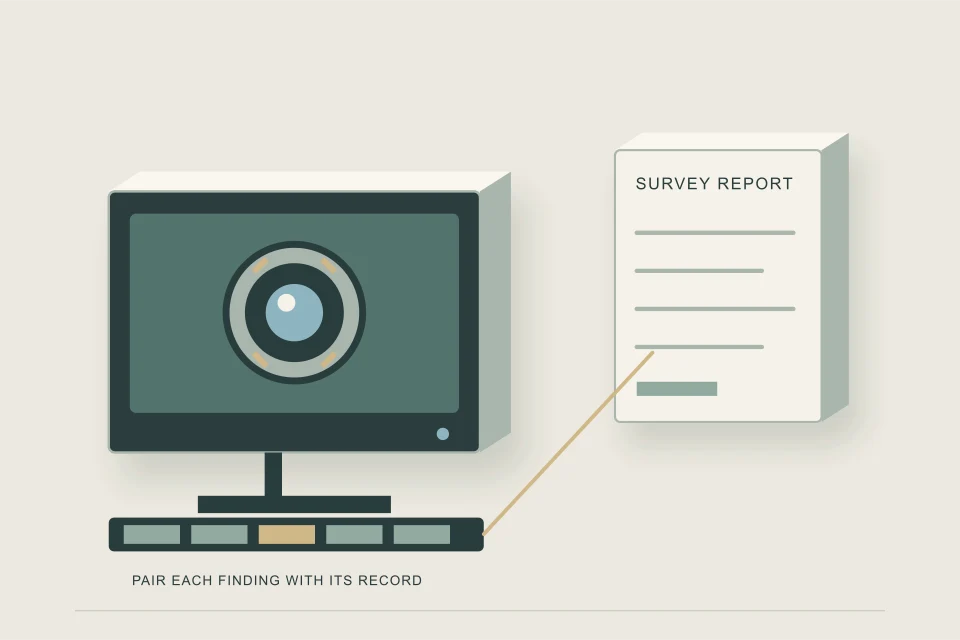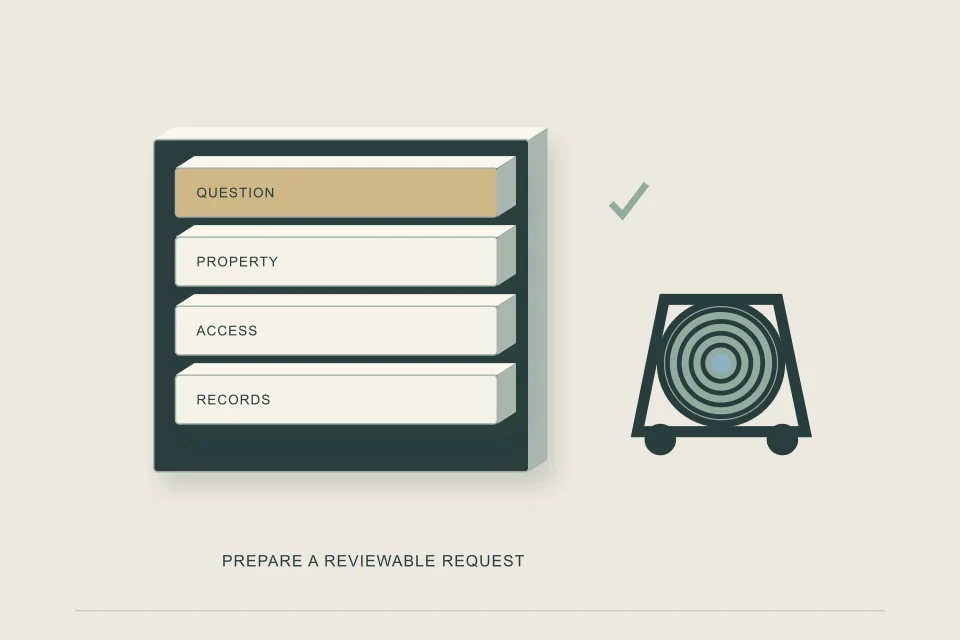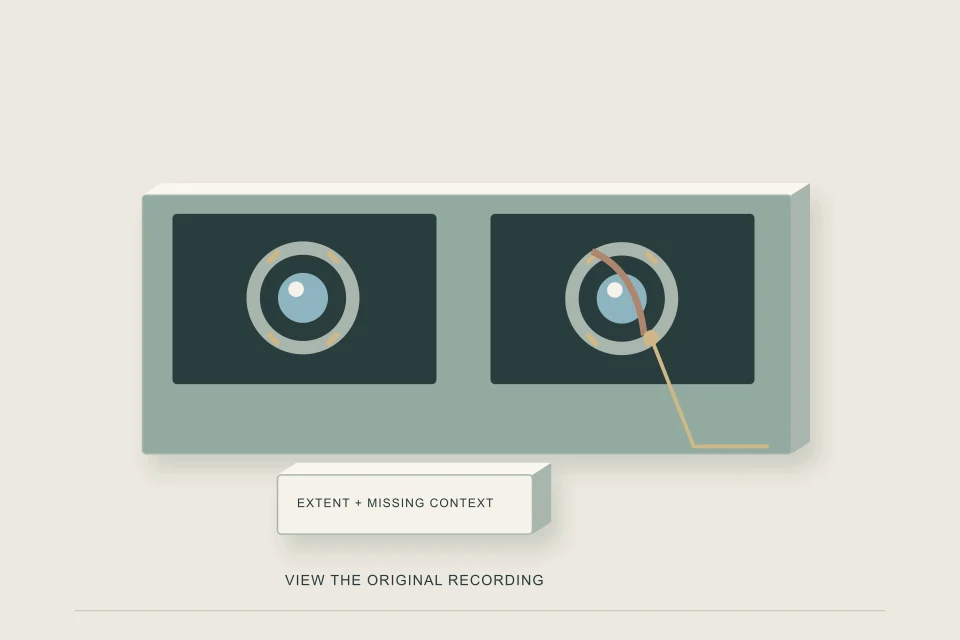
A second opinion is most useful when the reviewer has the original recording, the report and a clear question. Share the relevant footage interval and the proposed repair scope. Ask what the video supports, what it cannot establish and whether another inspection or locate is needed before a decision.
- Send the original recording with a specific review question.
- Keep time, distance and physical locating as separate references.
- Label later work so old footage is not mistaken for current condition.
- A useful review can identify the missing evidence before a repair choice.
01 /Send the question with the record
Instead of asking “is this quote fair?”, identify the decision: does the recording support lining, was the suspected break actually visible, or did the camera stop before the section of concern? The reviewer can then distinguish the observation from the scope and price assumptions.
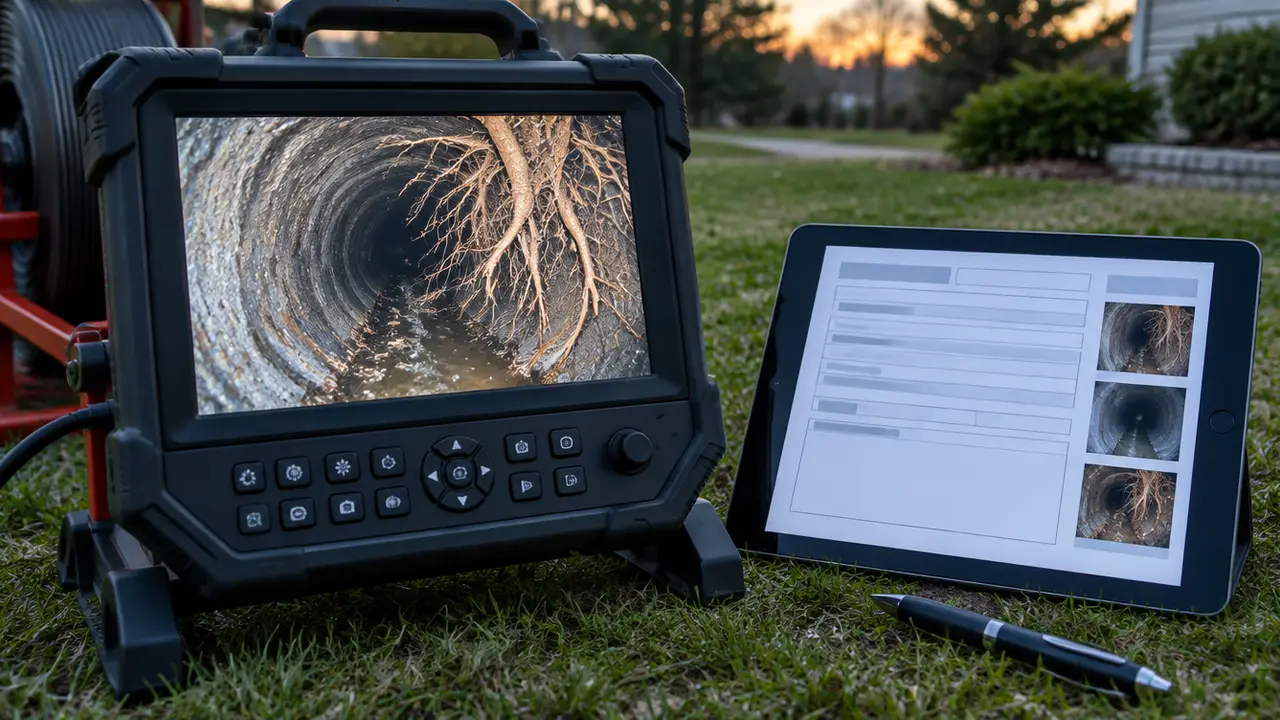
Provide the original quality video rather than a phone recording of a monitor if available. Include the inspection date, access point, relevant distance reference and any written limits. A short clip may omit context that explains why the technician stopped.
02 /Protect privacy and preserve context
Keep addresses, owner contacts and property documents in the private request channel. Do not post another owner’s inspection record publicly without permission. This portal’s interactive examples are illustrations and cannot be compared directly with a real property as if they were measured evidence.
A report based on older footage describes the line at that earlier time. Tell the reviewer about subsequent cleaning, repairs or new incidents. Those changes may mean a current survey is necessary rather than a reinterpretation of the old file.
03 /Expect a qualified limit as well as an answer
The reviewer may confirm a visible finding, disagree with a method recommendation or say the footage cannot resolve the issue. That last answer can still be valuable: it identifies the evidence missing before you spend on repair.
Ask for the next investigation to be scoped narrowly. For example, locating an observed defect, inspecting an inaccessible remainder or obtaining a post-cleaning recording can address one gap. No remote review should promise a complete condition assessment of an unseen line.
04 /What can a review of existing footage actually decide?
A review can address the evidence present in that recording and identify its limits. It may help clarify an observation, the completeness of a route or the relationship between a recommendation and the visible interval. It cannot reveal a section that was never recorded or turn an older survey into present-condition evidence. Ask the reviewer to state which conclusion is supported, which is tentative and what further task would resolve a material uncertainty.
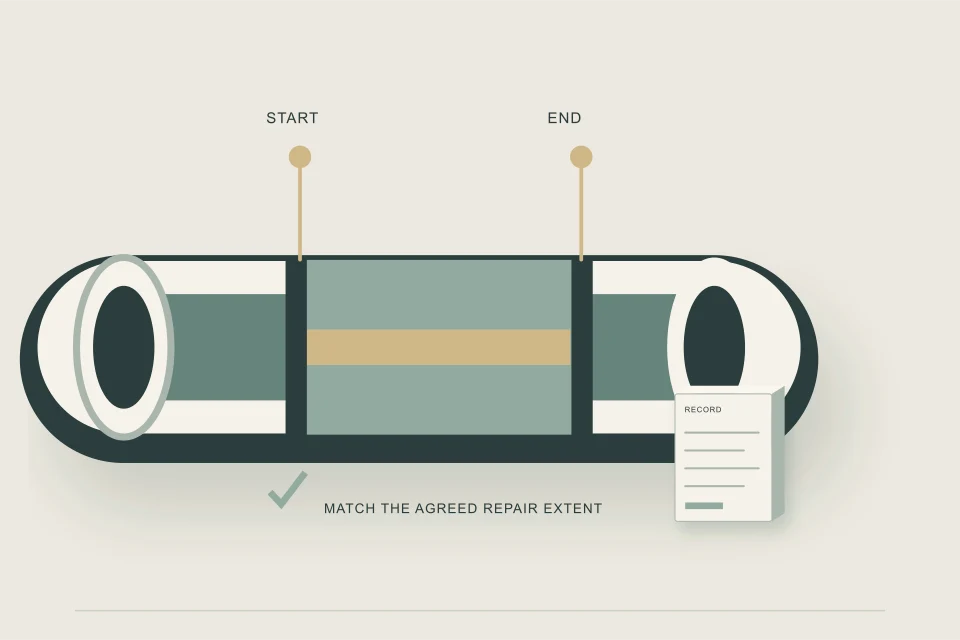
Frame the question around a decision. For example, ask whether the visible record reaches the section described in a proposed repair, rather than requesting a general verdict on every pipe at the property. Send the recommendation you want assessed and the inspection’s written limits. A focused question lets the reviewer explain whether the existing record is sufficient before recommending another visit or a different assessment.
05 /Which version of the recording should you provide?
Provide the original quality recording when it is available, together with the written report and the file’s inspection date. An edited highlight or a phone recording of a monitor may remove context or make details harder to see. Keep any shortened clip linked to its original interval. Tell the reviewer if the only copy is compressed, incomplete or missing sound rather than letting it be mistaken for the full delivered record.
Check that the recipient can access and retain the files through an agreed private channel. A link that works only inside the first provider’s account may not be usable by another reviewer. Ask about expiry and download permission. Do not paste owner documents or contact details into public comments to make access easier. Keep a list of the files shared and identify which report belongs to each recording when there have been several inspections.
06 /What belongs in a focused footage-review packet?
| Item | How to describe it | What it avoids |
|---|---|---|
| Decision question | Does the proposed work cover the recorded concern? | An unfocused request to diagnose everything |
| Original file | Date, route and full recording reference | Reviewing an unlabelled cropped image |
| Finding reference | Time interval and recorded distance with units | Searching by an ambiguous distance alone |
| Written limits | Stopping point, visibility and unseen assets | Assuming full coverage from a confident summary |
| Later events | Cleaning, repair and new symptoms by date | Treating historical footage as present condition |
| Proposal | Method, intended limits and unresolved assumptions | Judging the total without the proposed work |
If a field is unavailable, mark it unknown and ask whether the reviewer can still answer the chosen question. Do not invent route or depth information to complete the packet. Missing context can be the reason for a limited opinion. Keep that limitation with the response; it is part of the evidence, not a footnote to remove when passing the conclusion to another adviser or bidder.
07 /How do you preserve the route context around a concerning image?
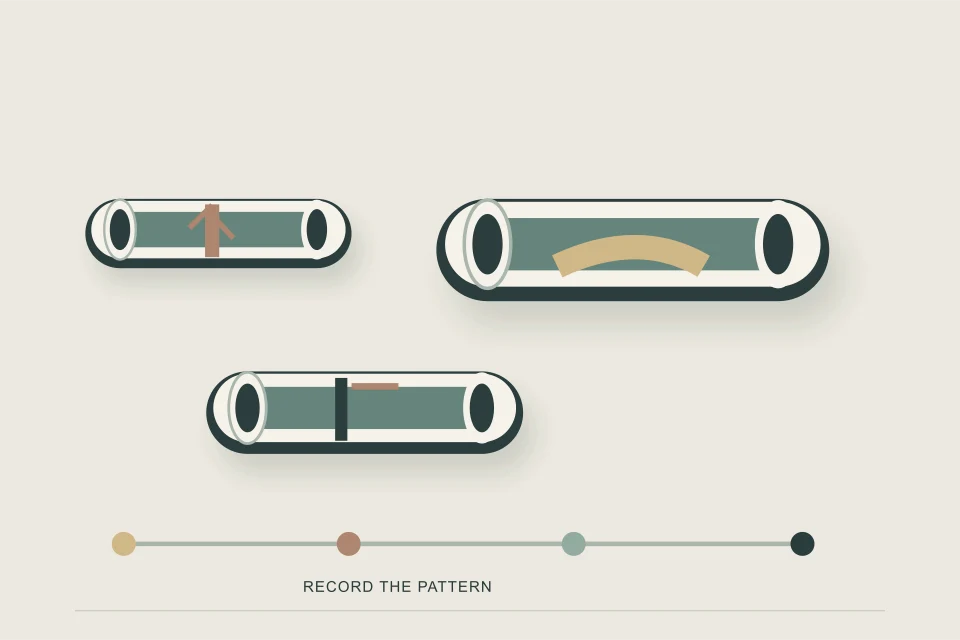
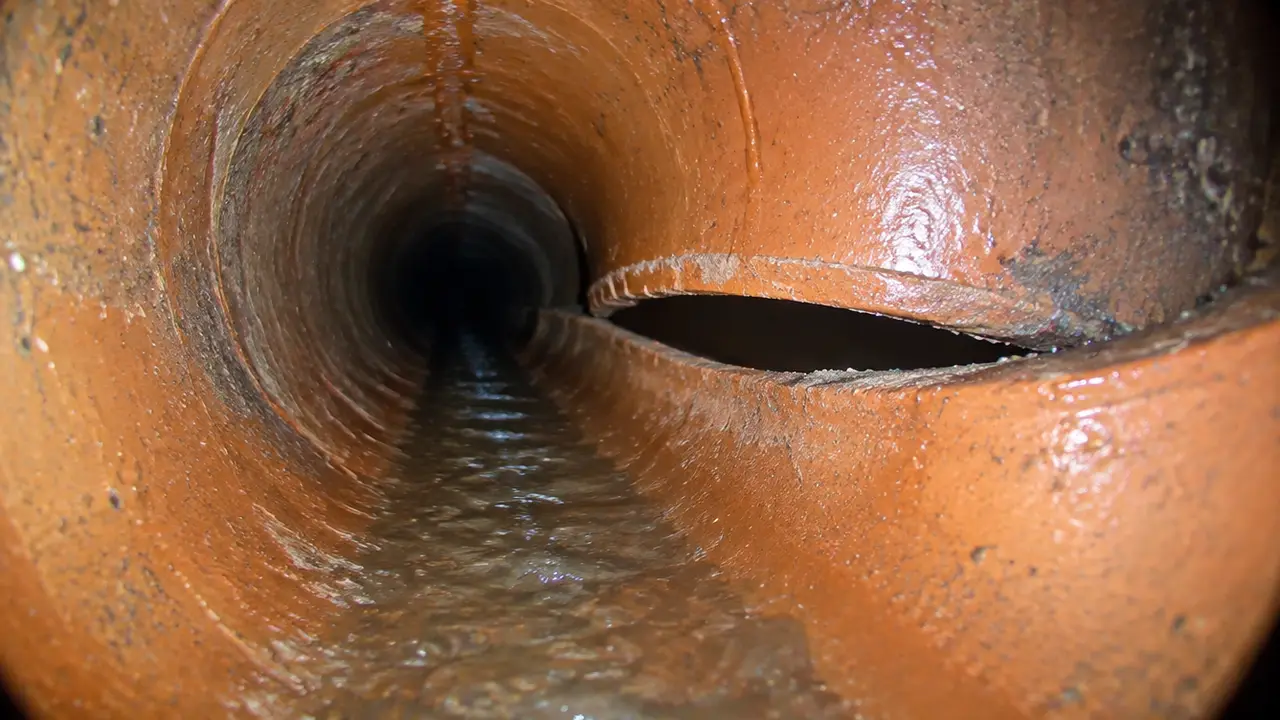
Preserve the approach to, passage through and departure from the observation when those portions exist. A still showing dark water or a close-up of material can be difficult to interpret without the surrounding sequence. Ask the reviewer which interval it used and whether the view was obstructed. Do not present the portal’s schematic pipe defects as a visual matching test for deciding what your recording proves.
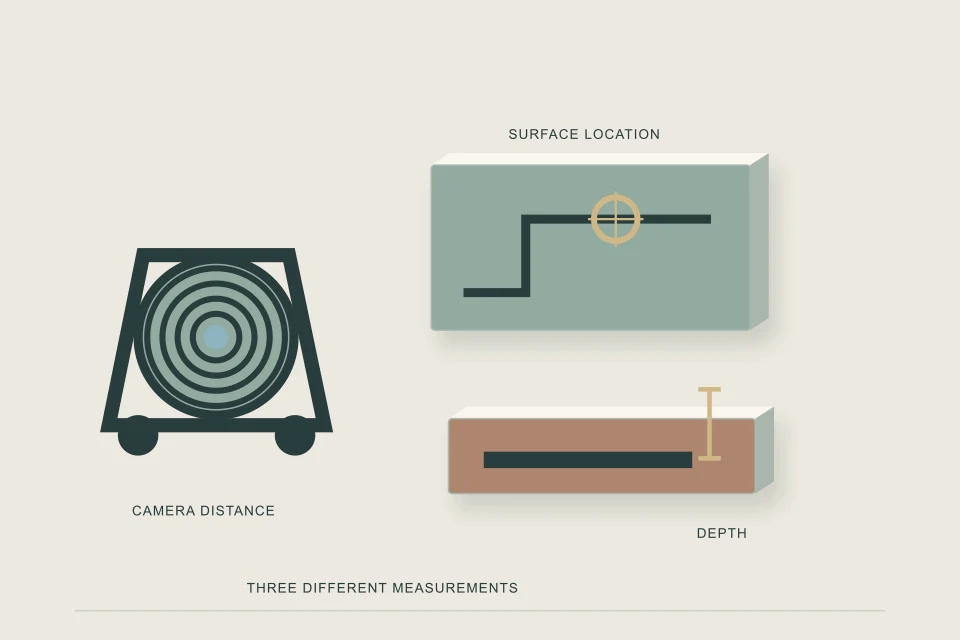
Keep the survey direction and starting reference visible. Two recordings can approach the same area from different points, so identical counter readings do not necessarily mean identical locations. A camera counter is also distinct from a surface locate or depth record. Where the proposed decision depends on a physical position, ask whether the available locate documentation is sufficient. The reviewer should identify the need for further locating rather than silently converting a video reference into a construction coordinate.
08 /How should disagreements between providers be handled?
Ask each provider to describe the specific observation and reasoning behind its recommendation. A disagreement about interpretation differs from a disagreement about which repair scope is practical. Give the reviewer the original record and both rationales, where available. Request a response that ties its view to the recorded interval and names the remaining uncertainties. Avoid using one favourable sentence as proof that a competing proposal is unnecessary in every respect.
If the existing record is insufficient, scope the next task around the gap. That might be a current view of a previously inaccessible remainder or a locate of a visible concern, subject to the qualified provider’s assessment. Ask how that information would change the decision. A useful second opinion can be a defined evidence request rather than a complete replacement recommendation. Keep subsequent findings beside the first review so the history shows why the conclusion evolved.
09 /What should you do with the reviewer’s answer?
File the answer with its scope, date, supplied records and limitations. Distinguish what the reviewer saw from any proposed next work. Where a reporting format or quality requirement is part of the request, confirm it before commissioning the review. NASSCO’s assessment and quality guidance are relevant references for defined professional reporting; they do not make an informal remote opinion equivalent to a newly completed certified survey.
Use the response to prepare the next actionable request. The inspection builder lets you choose an existing-footage context and carry an outline into the quote form. Edit it to include the review question and records held, then send with consent. Do not put sensitive property information into the public model or expect it to evaluate your video automatically. HAUSE organizes the enquiry; a qualified reviewer must confirm its actual service, capability and delivery terms.
FAQQuestions people ask
Can a reviewer assess a screenshot of roots?
A screenshot may identify a point to discuss, but it can omit location, extent and surrounding condition. Provide the original recording and report when possible. Ask whether the image is sufficient for the specific question and retain any limitation in the response. Do not treat recognition of visible material as a complete assessment of the whole route or a final choice of repair method.
Do I need another inspection for every second opinion?
Not necessarily. The existing record may answer a defined question, or it may leave a gap that matters to the decision. Have the reviewer explain that distinction before ordering another visit. When new evidence is needed, agree the route, access and deliverables for that task. A repeat appointment should be justified by what it can reveal, rather than simply duplicating the same accessible recording.
Can old footage support a purchase decision?
It can provide historical context, but the reviewer should know when it was recorded and what happened afterward. Tell your advisers about later cleaning, repairs, occupancy changes or new symptoms. They can assess whether current evidence is needed for your decision and timing. Do not present an older record as a current survey or infer future performance from the fact that its image looks clear.
Does a second opinion include a new repair price?
Only if the provider’s agreed service includes a separate proposal and it has the information needed to price it. An evidence review and a construction quote are different tasks. Ask what the review will deliver and what remains necessary for a method or price decision. Keep the opinion, assumptions and later quotation identifiable so one is not mistaken for the other.
NETWORKGo deeper across the HAUSE Sewer network
What a good sewer inspection report contains
What a sewer inspection report should include: full video, distances, locate and depth marks, a line map and clear limits. A checklist to judge any report.
SewerRoots.caRoots found in the sewer line during a home inspection: what to do next
Roots found in the sewer line at a home inspection or sewer scope? How to read the finding, get repair quotes before conditions expire, and negotiate.
SewerQuotes.comSewer camera inspection cost, and what the fee should include
Sewer camera inspection cost in Canada for 2026: standalone, pre-purchase and add-on scope prices in CAD, what a proper report includes and when the fee is wasted.