Repeated clearing tells you the problem returns; it does not prove why. Gather the incident pattern and earlier service records, then define the section to inspect. If debris or water hides the pipe, ask how the contractor will safely obtain a clearer view and record what the inspection still cannot answer.
- A repeated blockage is a history, not a diagnosis.
- Keep clearing records and before/after recordings together.
- Name the unseen section when camera travel stops.
- Choose the next investigation for the decision it can resolve.
01 /Gather the pattern before the appointment
List when the blockage happened, which fixtures were affected, what was done and how long the improvement lasted. Include any previous recording. A problem restricted to one fixture needs a different inspection scope from several low drains backing up together.
Do not run extra water to provoke a backup for the camera. If wastewater is rising now, treat it as an active incident and limit water use. The inspection plan can follow once the immediate hazard and utility response are addressed.
02 /Discuss cleaning and visibility
A camera can document an obstruction but may be unable to pass it or see the wall behind it. Ask whether clearing or cleaning is included, which method is proposed and how pipe condition affects that choice. No method is universally safe for every pipe.
Where a blockage prevented a full survey, request the recording and the stopping point. If a later survey follows cleaning, keep both files: the first shows the obstruction, while the second may show the underlying joint, wall or alignment more clearly.
03 /Connect the finding to the next action
A recurring deposit may call for an operating change or maintenance discussion. A displaced joint, break or persistent low area may call for a repair assessment. The right question is what the observed condition supports and what further evidence is needed, not whether every old pipe should be replaced.
Ask the contractor to explain the scope and limits of each practical option. Keep the section worked on and completion evidence in the same record. If the symptom returns, the history will help establish whether the same asset is involved or a different part of the drainage system needs investigation.
04 /What should happen if the sewage is rising right now?
Address the active incident before arranging an elective condition survey. Keep people away from affected wastewater and wet electrical equipment, and avoid adding water to the affected system. In Calgary, 311 can assess possible City infrastructure involvement. A planned enquiry through this portal does not dispatch an emergency crew or confirm when someone will arrive. Save the resulting service records for the later investigation.
Do not try to reproduce a backup for a video or use a chemical drain cleaner to create camera access. Tell the attending provider about substances already used and any known electrical or access hazard. Once the immediate situation is addressed, record the affected fixtures, time and work performed. These details can support a defined inspection question without delaying urgent assistance or exposing someone to sewage for the sake of documentation.
05 /How do you build a blockage timeline the inspector can use?
Build the timeline from actual incidents and service records rather than a general statement that it happens often. Each entry should name the date, affected area, observed symptom, action taken and period of improvement. If the exact date is unknown, label it approximate. Ask previous providers for available invoices, findings and recordings with the owner’s permission. Identify whether they worked on the same route you now want inspected.
Add changes that might matter: a renovation, altered occupancy, equipment connection, earlier repair or a different access point. These are context for the inspector, not proof of the cause. Keep separate rows for different fixtures when you are unsure they share a run. A provider can then distinguish the history of a local drain from a suspected common connection instead of forcing every incident into one presumed underground problem.
06 /Which questions distinguish possible next steps?
| Recorded situation | Question to discuss | Evidence to retain |
|---|---|---|
| Cable clearing restored passage but no survey followed | Can a useful condition view now be obtained? | Clearing extent, date and subsequent recording |
| Camera stopped at material it could not pass | What can safely reveal the unseen remainder? | Stopping reference and proposed next task |
| Recurrence involves a different fixture group | Is a different branch or common route involved? | Incident locations and route information |
| Visible concern remains after appropriate cleaning | What further assessment would change the repair choice? | Clearer interval, locate and stated limits |
| Only a short still image supports replacement | What does the original recording show in context? | Original file and written rationale |
Use the table to formulate questions, not to select equipment yourself. A qualified provider must assess access, pipe condition and safe methods. The objective is to know why another task is proposed, what its approval includes and which result would change the next decision. If it cannot answer that question, ask for a clearer scope before treating more work as inevitable.
07 /Why can opening a passage leave the underlying question unresolved?
Restored flow and documented condition are different results. A clearing visit may reopen a route without surveying every wall or connection. Ask what was done, where it reached and whether the obstruction was identified or simply passed. The apparent return to normal use is relevant to the incident, but it should not be rewritten as proof that the entire sewer was inspected and found sound.
Discuss the sequence for obtaining useful evidence. An initial camera pass may show why travel stopped; appropriate cleaning may allow a later view of the same area. Keep both recordings and the intervening work description. If the later file starts elsewhere, have the provider explain how the references relate. Avoid assuming that repeated cleaning can correct alignment or structural concerns merely because it improves flow for a time.
08 /How should a visible defect be connected to recurring symptoms?
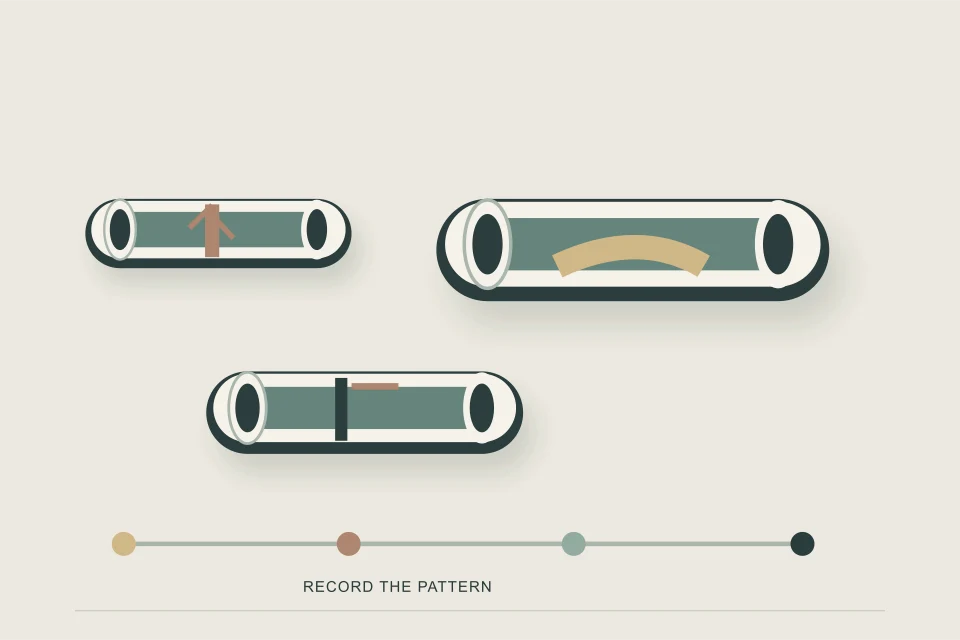
Connect the finding to the route and history, while recognizing what remains uncertain. The illustration shows several possible visible conditions; it does not diagnose your line. Ask the inspector to describe the observation, its location and the quality of the view. Ask whether the evidence addresses the affected fixture group and whether another part of the system remains unexamined. A visible concern and a symptom can coexist without the report proving every causal link.
For a repair discussion, request the intended result and practical limits of each proposed approach. Separate further investigation from a construction commitment. If the footage is obscured or incomplete, a narrower survey or locate may answer a specific gap before a method is chosen. Keep the original recommendation with the later clarification so a second reviewer can see which evidence changed, rather than comparing two unsupported conclusions.
09 /How do you tell whether the next visit improved the evidence?
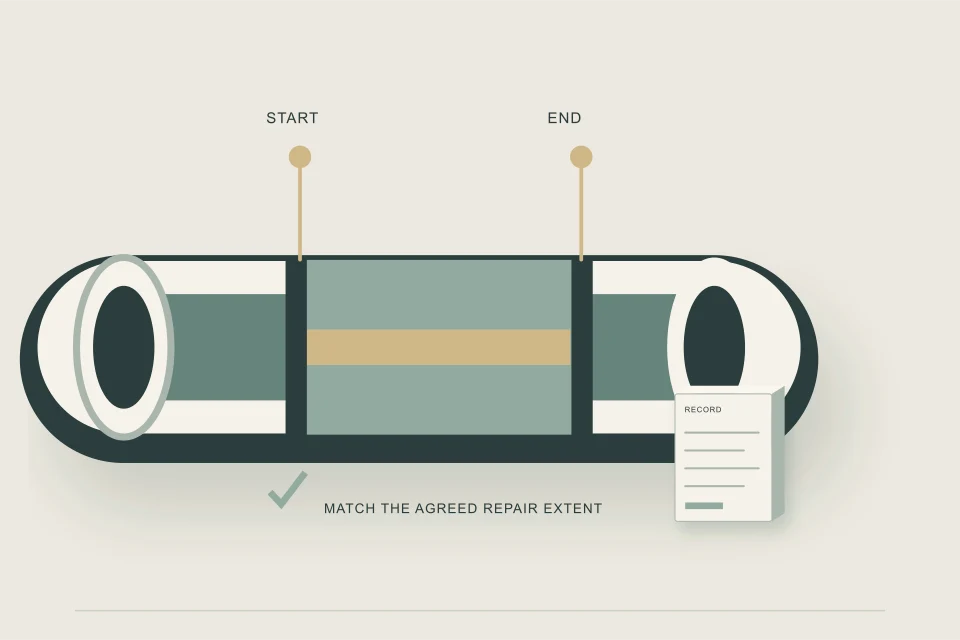
Check whether the completed task answered its stated question. Did the camera reach the agreed endpoint, was the previous restriction visible afterward, and were remaining limitations identified? Request the original recording, written findings and the actual extent. Where work was incomplete, keep the unseen portion as an open item with a reason. A second invoice alone is not a useful measure of investigation progress.
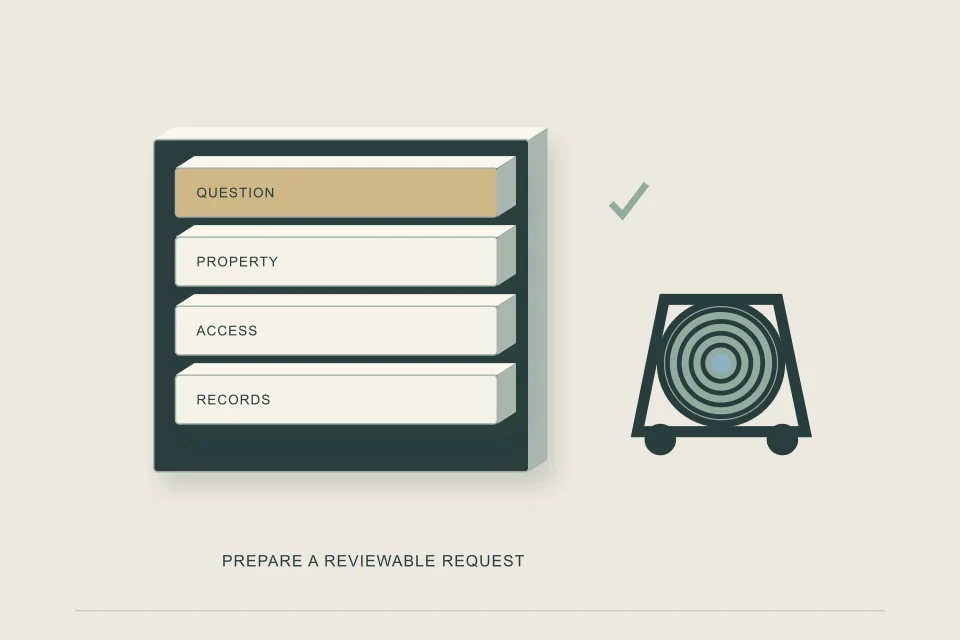
After any repair or maintenance change, update the incident timeline with the exact asset and completion record. If symptoms return, report the new date and affected area without assuming the same cause. A good property record lets the next provider compare evidence instead of starting from a vague complaint. Prepare that history in the inspection builder, review it in the quote form and send it with consent. The request is for team review, not an automatic service booking.
FAQQuestions people ask
Does a recurring blockage always mean roots?
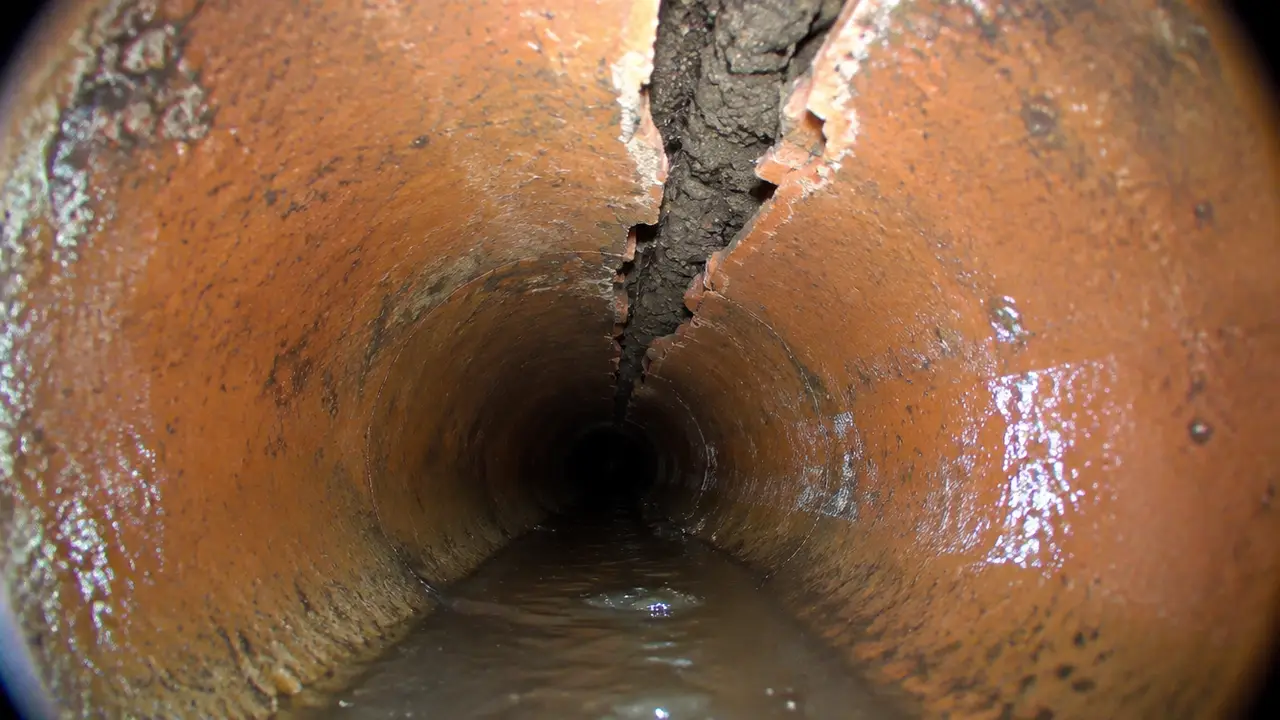
No. Recurrence alone does not identify material, location or structural condition. Record the affected fixtures and previous service results, then ask what the actual survey shows. A root observation needs its distance, extent and surrounding view. Keep an unseen portion unresolved rather than using a familiar explanation to fill the gap; the required next task depends on evidence and practical access.
Should I wait for another blockage before requesting a survey?
Discuss timing with the qualified provider using the current condition and incident history. Do not deliberately trigger another backup or delay appropriate help during an active one. A planned survey after passage has been restored may answer a different question from an emergency clearing visit. State which decision you need to make and ask what inspection conditions will make the evidence useful.
Is an old inspection still useful after several cleanings?
It can document the earlier view and guide a comparison, but it should be dated and linked to the work that followed. Send the original record and subsequent service history. A reviewer may need a new survey to assess present condition. Do not relabel historical footage as a current inspection simply because the symptom sounds similar or the repair recommendation remains unchanged.
Can HAUSE choose a repair from my description?
The team can help organize the enquiry and the evidence needed for a qualified review. A symptom description or the animated example does not establish your pipe’s measured condition, location or a suitable repair method. Use the private request to explain the history and decision, and have the responding provider confirm its scope, findings, availability and any required further investigation.
NETWORKGo deeper across the HAUSE Sewer network
Why the clog came back after the drain was snaked
Why a drain clog came back after snaking: incomplete clearing, grease, roots, scale, sags, offsets, wipes and venting, with a repeat-clog diagnosis checklist.
SewerInspector.caShould you scope the sewer before buying a house?
When a sewer scope before buying a house is worth it, which homes need one most, how to fit it inside a condition period, and what to do with the result.
SewerCleaners.caHow to hire a sewer cleaner: the checklist, the questions and the paperwork
How to hire a sewer cleaner in Canada: questions to ask, insurance and WCB coverage in Alberta, a written scope template, red flags, and how to compare quotes.