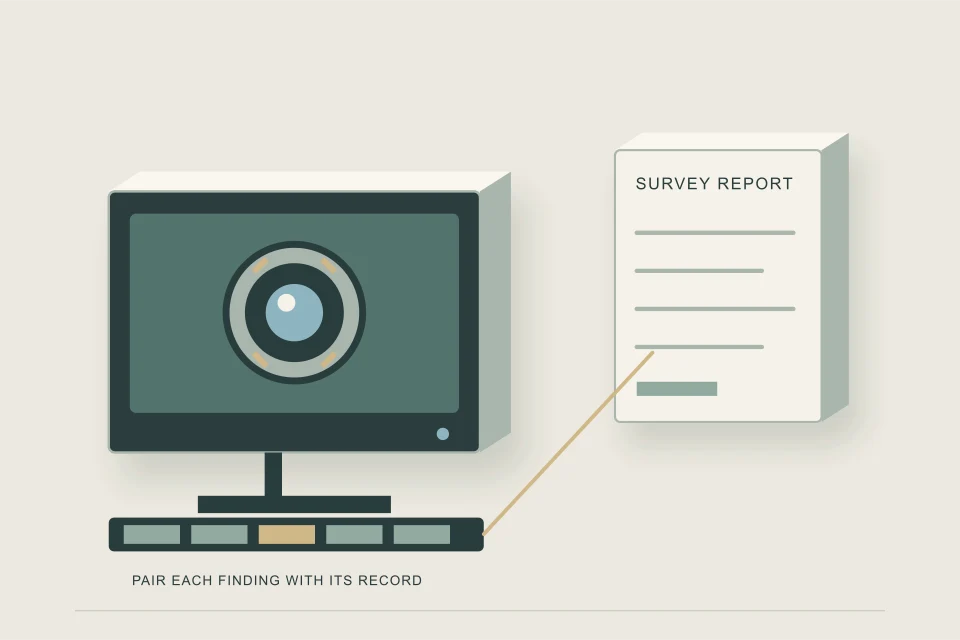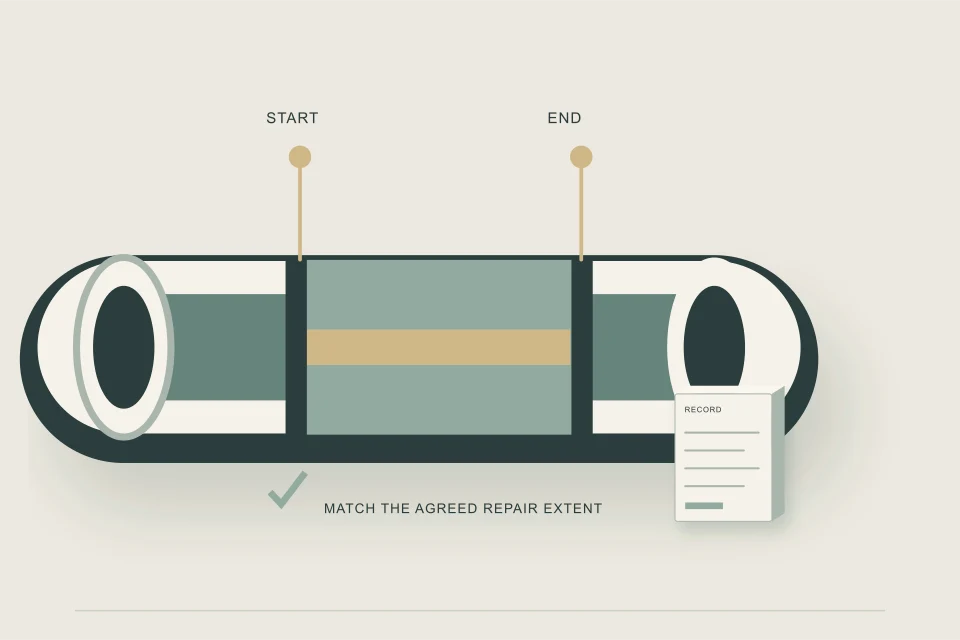
Agree on completion evidence before the repair starts. A post-work recording should identify the section repaired, visible connections and the inspected limits, with the contractor’s written completion record. It supports verification of the visible work; it does not replace any required permit inspection, test or warranty.
- Specify the completion recording before authorizing the repair.
- Identify the repaired segment and its relationship to the earlier survey.
- Keep required tests and authority records separate from camera evidence.
- Retain exceptions, original files and written warranty terms together.
01 /Write the deliverable into the scope
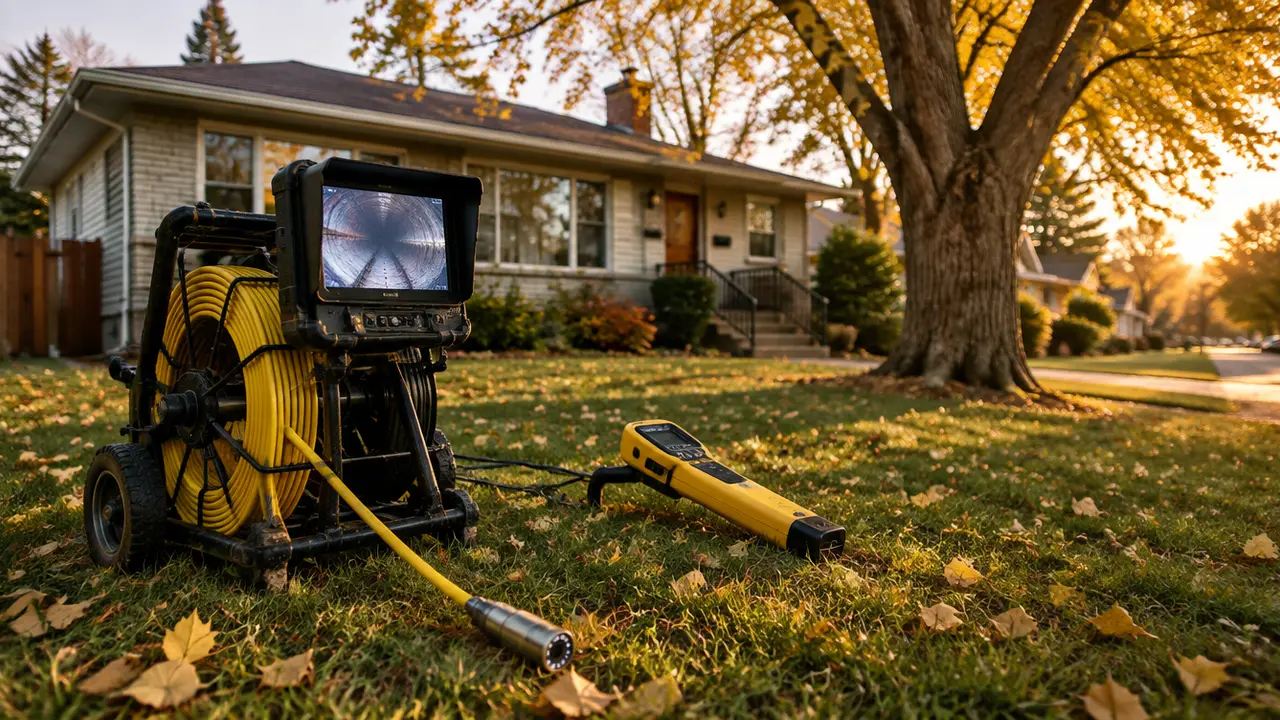
Ask who provides the recording, which start and end points it covers and how it will be linked to the repair location. If another test or authority inspection applies, identify it separately. A generic promise to “camera afterward” can leave the owner without usable files.
Keep the before-and-after evidence together. Confirm that the recordings refer to the same route and section. Where the original problem was beyond camera access, completion documentation should explain how that part of the work was verified.
02 /Review the visible work and the remaining limits
The contractor should explain the repaired section and any observation requiring follow-up. Standing water, deposits or inaccessible branches can still limit the view. Ask whether a later recording is needed and how it relates to the completion scope.
A clear-looking recording is not a blanket certification of every pipe on the property. The camera has a defined route and field of view. Keep uninspected assets and any later recommended work separate from the completed repair.
03 /Build a durable property record
Retain the scope, approved changes, invoice, completion recording, written findings, relevant authority records and warranty terms. Record the contact responsible for warranty questions and the conditions the warranty actually covers.
For a managed property, make the files accessible to the next manager or board without spreading unnecessary personal information. A concise asset record with dates and document links is easier to use than a folder of unlabeled videos.
04 /What does a post-repair camera survey verify?
A post-repair camera survey documents the visible result within its recorded route and inspection conditions. It can help the owner understand where work occurred, what could be seen afterward and what remains outside the view. It is not a substitute for separately required installation inspections or tests. Calgary’s connection guidance describes City inspection of applicable service installations; confirm the requirements for the actual work with the provider and authority.
Tie the recording to the approved task rather than to the address alone. Ask for the repaired segment, survey entry, direction and endpoint. If the scope was revised during construction, the completion documents should identify the final work limits. A clear view of one repaired area should not be written up as a condition assessment of unrelated branches or a section that the camera did not reach.
05 /How should completion evidence be specified before work starts?
Specify the expected files, covered segment and report recipient in the repair authorization. Ask who records the work, when it will be delivered and whether the owner can retain the original. Identify any separate inspection, test or engineering deliverable with its responsible party. A generic “camera included” phrase can leave uncertainty about whether the recording covers the work or is only a short demonstration of restored passage.
Discuss what happens if conditions prevent a useful final view. The provider should record the limitation and explain a proposed next step, rather than substituting a blanket completion statement. Keep the procedure for approving that extra task separate from the original construction authorization. If a managed property requires a defined reporting package, have the intended reviewer confirm it before the work; missing asset references can be difficult to reconstruct after crews leave.
06 /Which records belong in a sewer repair closeout packet?
| Record | Check | Keep separate from |
|---|---|---|
| Approved scope | Actual asset and work limits | The first informal recommendation |
| Changed work | Date, reason and recorded approval | Unexplained invoice additions |
| Before evidence | Route, observed concern and inspection limit | Generic examples or an unrelated run |
| After evidence | Same asset relationship, extent and visibility | A site-wide future-performance claim |
| Required authority records | Applicable inspection or acceptance reference | A contractor’s camera file alone |
| Tests where specified | Type, result and responsible provider | Appearance on video |
| Warranty terms | Written coverage and responsible contact | An assumed promise about every pipe |
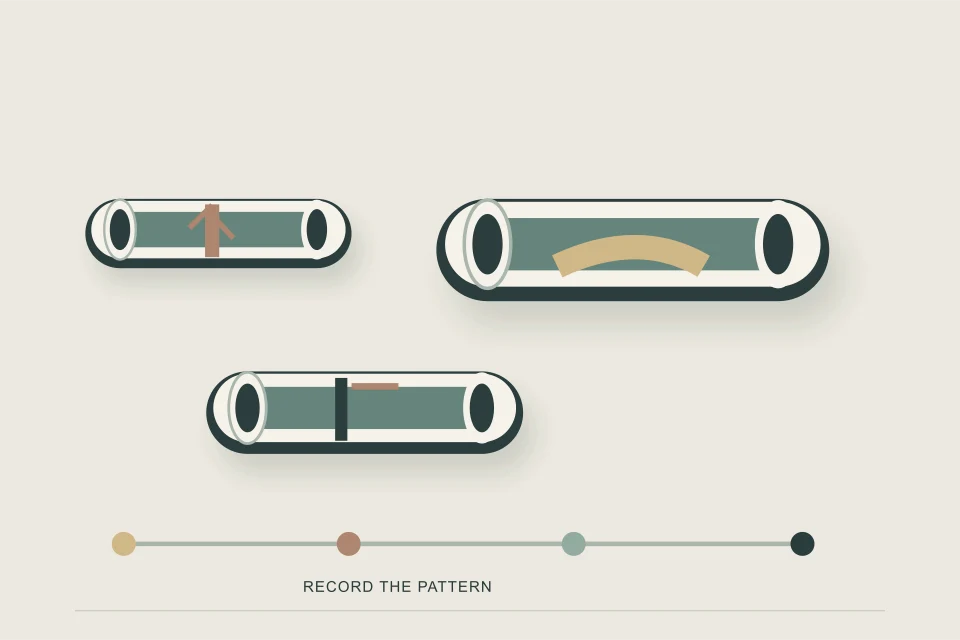
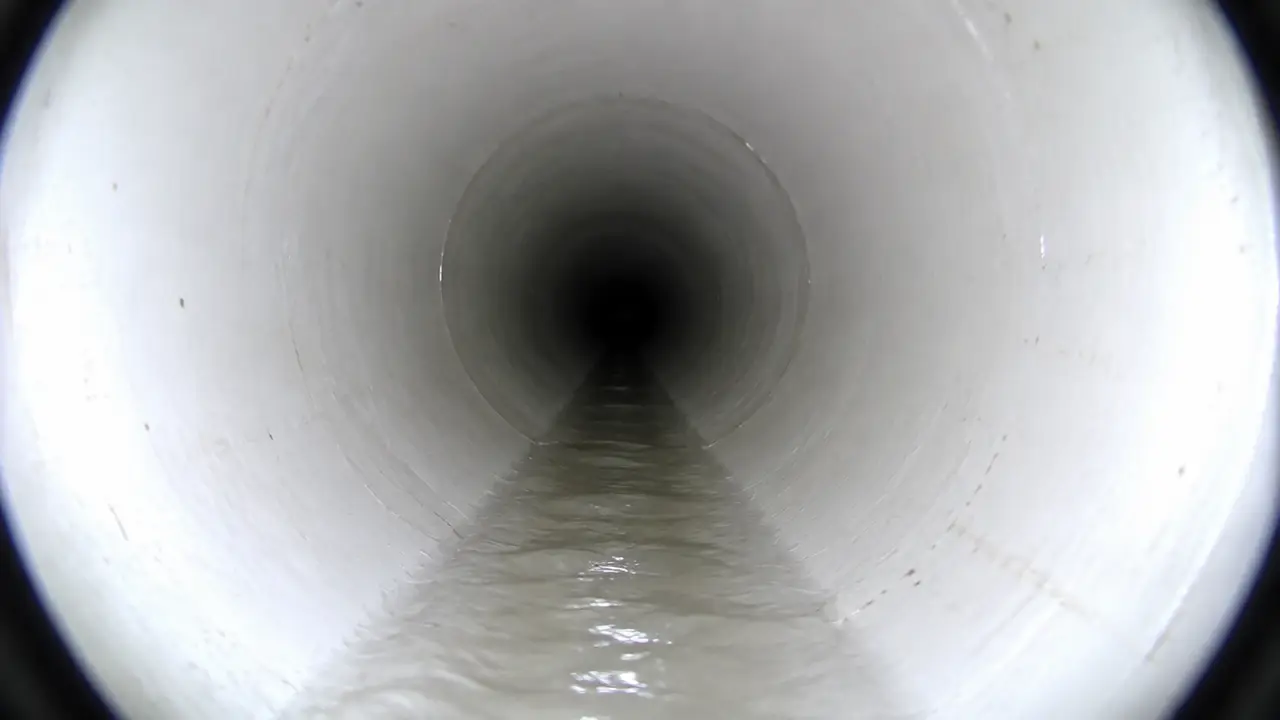
This packet organizes the evidence; it does not set technical acceptance criteria for every repair method. Ask the contractor and any required reviewer to define those criteria for the actual job. The illustrated liner is one example of sewer work, not a record of what was installed at your property. Keep the selected method and its required documentation specific.
07 /How do you compare the before and after records?
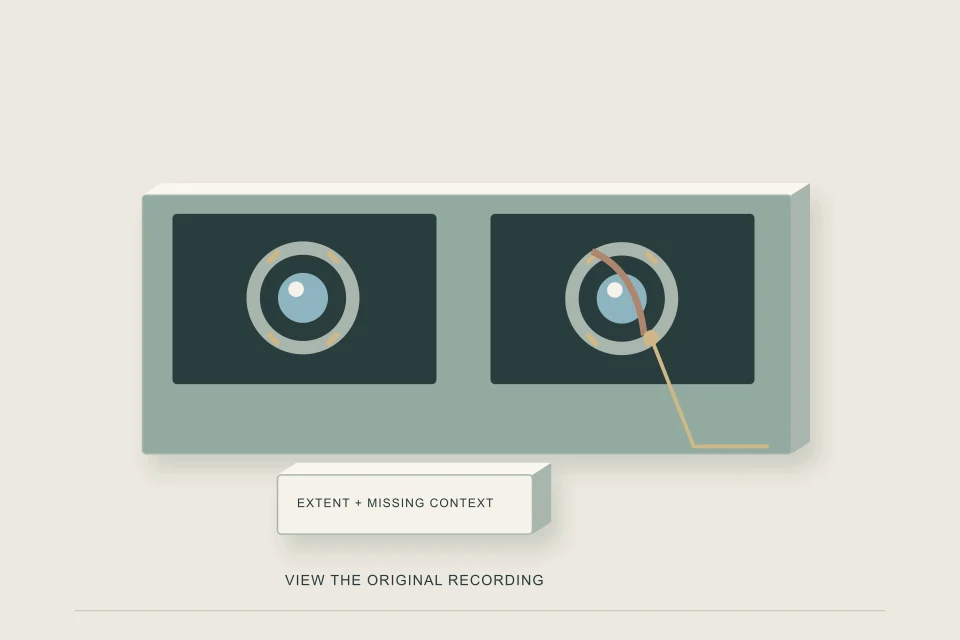
Compare the same asset and affected section, with the entry references made explicit. If the two surveys start at different places, ask the provider how their distances relate. Keep the original files, not just a collage of still images. Request an explanation of the completed work’s visible limits and any service connections in the agreed scope. A reviewer should be able to follow the relationship without assuming that similar-looking frames come from the same pipe.
Note changes in viewing conditions. Cleaning, water level and camera direction can alter what is visible, so a different image is not by itself a complete explanation of the repair. The contractor should identify what the recording supports and which part needs another form of verification. Where the pre-work survey stopped early, ask how the previously unseen area is addressed in the final record rather than leaving that original limitation unresolved.
08 /What if the completion view is obscured or stops early?
Keep the limitation attached to the completion finding. Ask where travel stopped, what prevented a clearer view and which section remains unrecorded. The provider may propose another access approach or later recording after assessing the site. Request a defined purpose and approval for that task. Do not assume that an incomplete camera pass makes the whole construction defective, or that a completed invoice resolves every unobserved part.
Separate an evidence gap from a new work recommendation. A provider should explain whether it needs more information to assess the completed segment or has observed a different concern beyond the original scope. Record that boundary. For significant disagreement, provide a qualified reviewer with the approved scope, before/after files and the specific unresolved question. An organized packet can make the review narrower and more useful than a general request to judge an entire job from one image.
09 /How should the owner preserve the completed property record?
Preserve a durable copy of the closeout packet with the asset identifier, dates and document index. Confirm that downloads work before relying on a shared link. Keep the provider’s written warranty terms and question contact accessible, and record relevant follow-up instructions exactly as supplied. The packet should remain usable when ownership or property management changes without exposing unnecessary personal details in a widely shared folder.
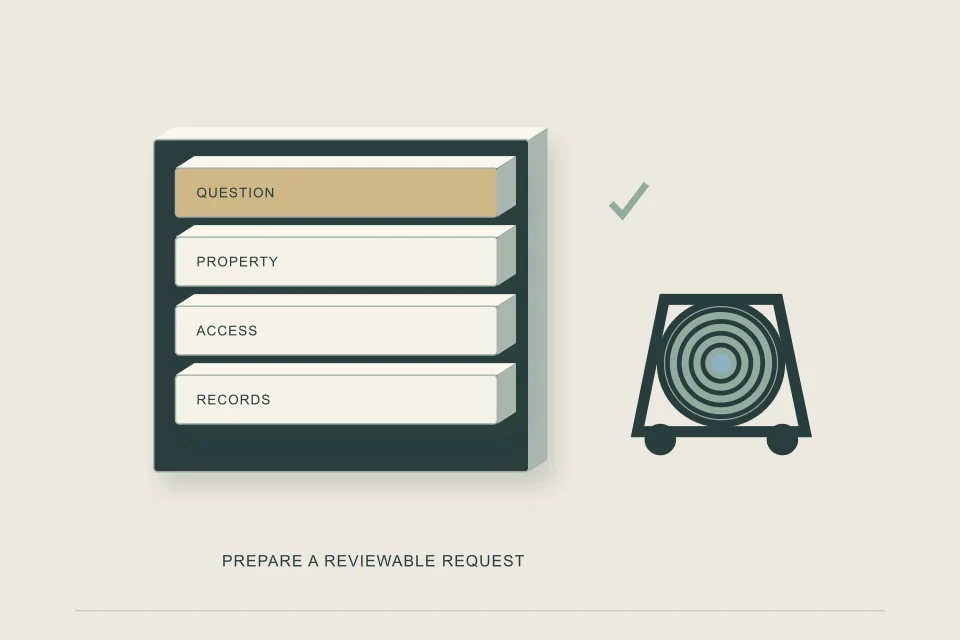
If you need help reviewing the record, prepare a specific completion question in the inspection scope builder and review the outline before the private request is sent. The team can organize the enquiry; it does not issue permit acceptance or a remote certification of unseen work. A qualified provider must confirm the requested review and its limits. Continue to keep the original construction scope, any required authority records and the subsequent review distinct.
FAQQuestions people ask
Does a clean final video prove the repair is watertight?
A clear-looking camera record is not equivalent to a separately specified test result. Ask which verification the particular repair requires and who provides it. Retain the camera footage with the relevant test and authority records where applicable. The report should identify what the visible survey supports without extending that result to hidden conditions, uninspected connections or unrelated pipes.
Should I get a recording after a small repair?
Discuss completion evidence when agreeing the scope, including whether a camera record is useful and practical for the affected asset. Ask what the contractor will provide if access prevents it. The appropriate package depends on the actual work and any required verification. Specify the deliverables before authorization so the owner does not discover afterward that the needed record was never included.
Can a post-repair survey assess the rest of the sewer too?
Only to the extent that the agreed survey actually covers and can assess that route. Identify any additional inspection task separately from documenting the repaired segment. The report should state the actual start and end, visible observations and limitations. Do not convert a closeout recording of one area into a whole-property condition claim without the corresponding scope and evidence.
What should I send if a symptom returns after repair?
Send the new incident date and affected fixtures, the approved repair limits and the before/after records. Include the written warranty terms and contact responsible for questions. Avoid assuming the new symptom has the same cause or belongs to the same asset. Ask the qualified provider to assess the current situation and explain which further evidence is needed before recommending additional work.
NETWORKGo deeper across the HAUSE Sewer network
Sewer camera inspection cost, and what the fee should include
Sewer camera inspection cost in Canada for 2026: standalone, pre-purchase and add-on scope prices in CAD, what a proper report includes and when the fee is wasted.
SewerCleaners.caWhat happens during a professional sewer cleaning visit
A step-by-step look at a professional sewer cleaning visit: arrival, questions, access, cleaning, flow testing, camera verification and the paperwork you keep.
SewerInspector.caBeyond the camera: dye, smoke and pressure testing of sewer laterals
What sewer scope testing and lateral inspection can include beyond video: dye tests, smoke tests, air and water pressure tests, and when each one is used.