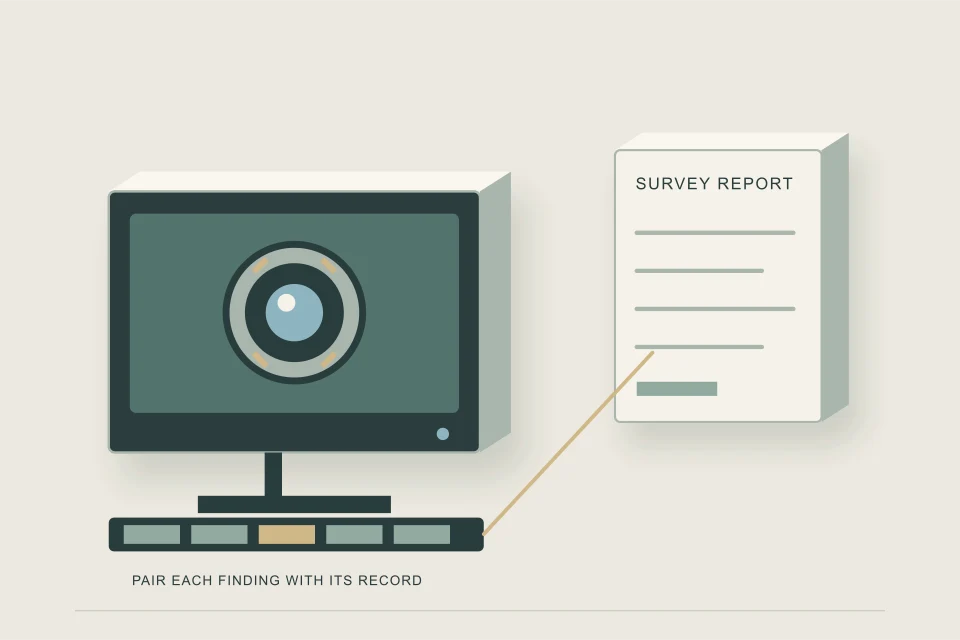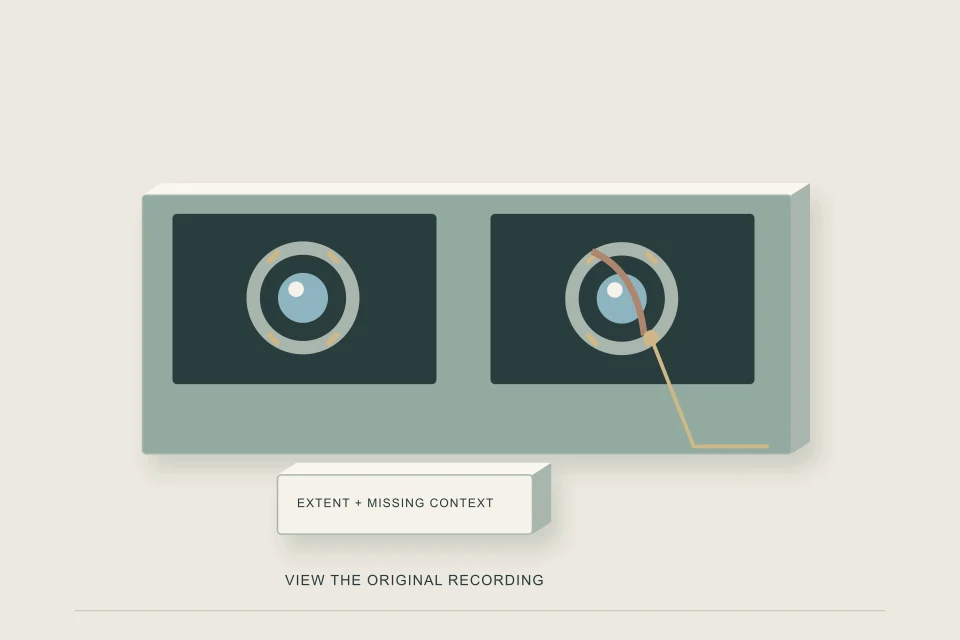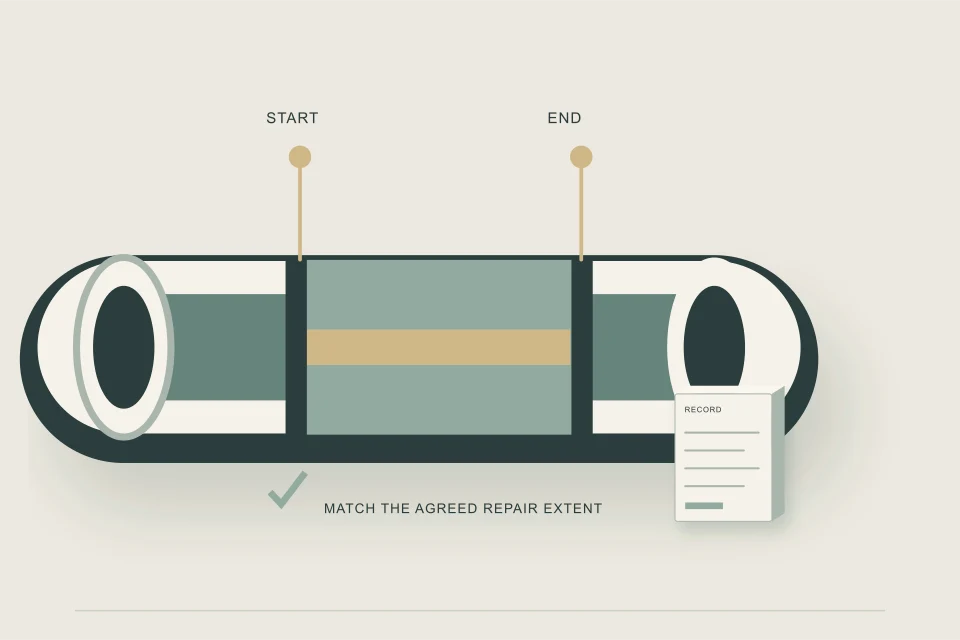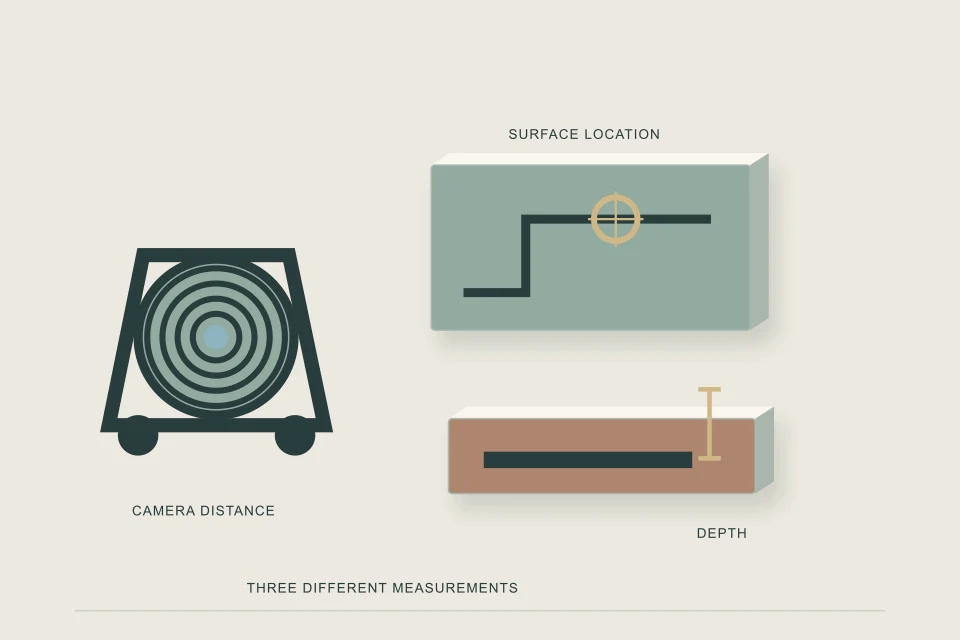
A camera counter references travel from the survey start; video time finds an interval in the recording. Surface locating and depth information are separate deliverables. Ask the provider to identify each reference, its method and uncertainty before using the report for a repair decision. A footage number alone is not a complete excavation plan.
- Keep video time and camera travel distance separate.
- Ask whether the finding was independently located at the surface.
- Retain the locate reference and stated limitations.
- Camera locating does not replace the required utility-safety process.
01 /What does a camera footage counter describe?
A footage counter describes a distance reference associated with the camera’s survey start and travel. Ask where that reference begins, which units are displayed and whether it was reset. The number helps identify an observation within that particular pass. It should not be silently treated as horizontal ground distance from a property corner, a legal ownership boundary or the depth of the pipe.
The route may include indoor travel, bends or a different entry from the one a later reviewer assumes. Keep the entry and direction beside each finding. If the recording begins after equipment has already been positioned, ask how its distance reference is explained. A useful report makes those assumptions explicit so a person reviewing a repair proposal can find the same observation without guessing where the counter’s zero was located.
02 /How is video time different from travel distance?
Video time identifies a position in the file; travel distance references the camera’s position in its survey. They are different ways of finding the evidence and should both remain connected to the original recording. A paused camera can leave the distance unchanged while time continues. An edited clip may also change the time reference compared with the full file. Ask which version and interval the written finding cites.
When sharing a second-opinion question, include the original file and the relevant interval rather than only a screenshot of a counter. Explain the recorded distance and units separately. If a report cites an observation that cannot be found in the supplied version, ask the provider to reconcile the references. The purpose is a reproducible evidence record, not a homeowner’s attempt to derive construction coordinates from video timing.
03 /Which location references should remain distinct?
| Reference | What it helps identify | What it does not supply alone |
|---|---|---|
| Recording time | An interval in a particular video file | Physical repair position |
| Camera counter | Travel reference from a stated survey start | Exact surface position or burial depth |
| Surface locate | A provider-established position tied to the finding | Every other buried utility |
| Depth information | The provider’s stated depth reference and method | A complete construction or excavation plan |
| Route sketch | Confirmed and assumed relationships | Legal ownership determined from a drawing |
Request the method and limitations for the references relevant to your decision. A report can be useful without every field if the task only requires a focused evidence review. Where a contractor needs a physical work position, ask what additional assessment it requires. Do not fill a missing field with an estimate merely to make a quote comparison sheet look complete.
04 /What is a locating sonde?
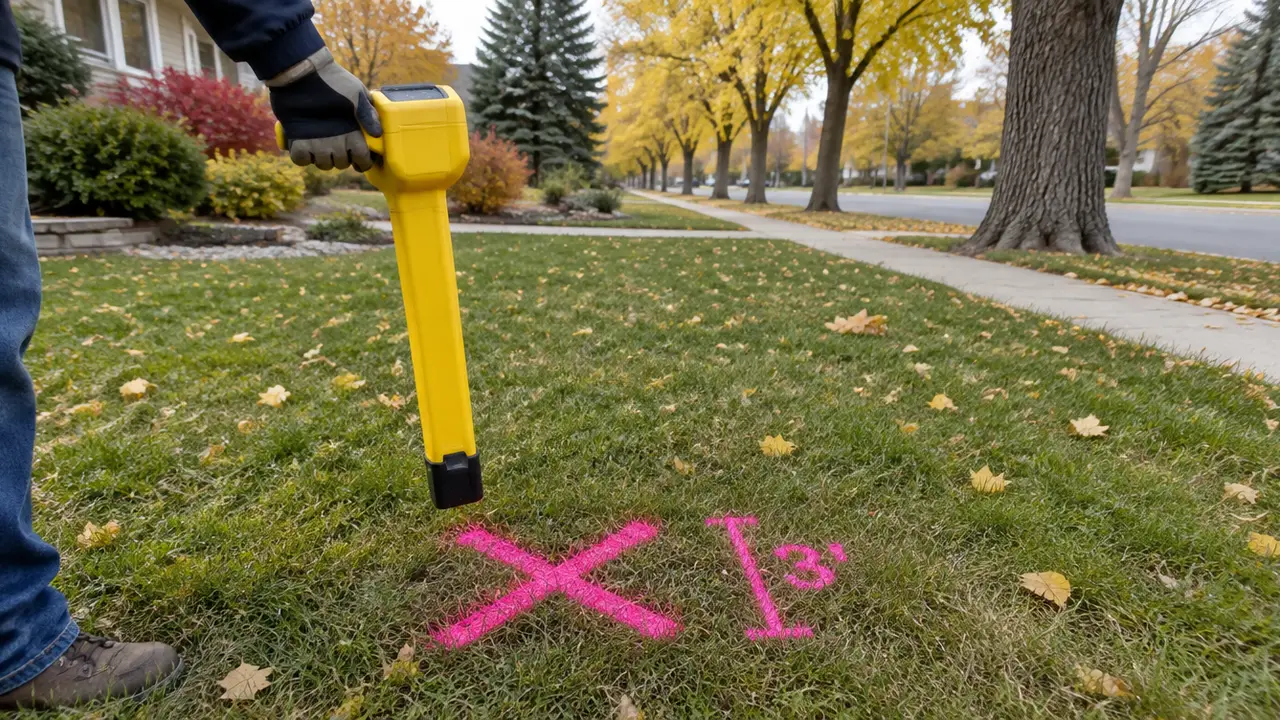
A locating sonde is a transmitter used with suitable locating equipment to help identify a point such as a camera position. RIDGID’s cited camera documentation describes a built-in sonde for locating a point of interest. That equipment feature is a reference example, not a claim that every inspector uses the same system or that locating is included in every camera appointment.
Ask your provider whether the requested finding can be located, what equipment and method it uses and what record will be supplied. Confirm whether surface position, a depth reference or both are part of the scope. Keep its stated uncertainty with the result. The portal does not teach equipment operation or turn the animated camera scene into a measured locate. A physical repair proposal must use the actual provider’s assessment and relevant site records.
05 /How should an actual locate be documented?
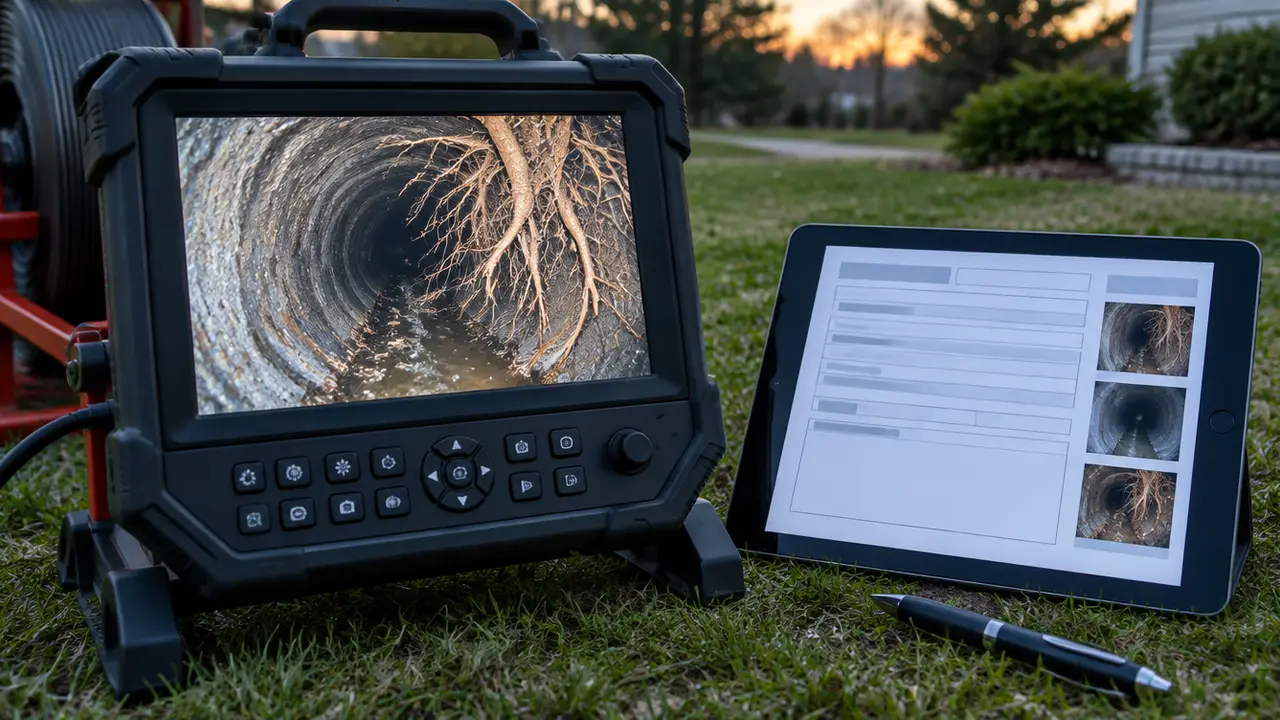
Document the locate with the finding it was intended to identify. Request the date, asset, original recording interval, camera reference and the provider’s surface description or sketch. Ask how marks can be understood later if they fade or the surface changes. Keep the depth method and limitations where supplied. A photo without an identifiable site reference may be difficult for another contractor to use.
For an illustrative repair enquiry, the report might identify an observation at one camera counter value while a separate locate marks the corresponding surface position. Retain both records and explain their connection. If the route was surveyed again from another entry, request the relationship rather than assuming identical numbers represent identical positions. A later quote should identify any additional information its proposed work still needs before the owner treats that locate as sufficient.
06 /Does camera locating replace utility clearances?
Camera locating does not identify every other buried service or replace the appropriate ground-disturbance process. Utility Safety Partners provides Alberta locate-request and utility-safety information for people planning to disturb the ground. Consult that process and have the qualified contractor establish the actual work requirements. A mark associated with one sewer finding is not permission to excavate around unknown electrical, gas or other infrastructure.
Keep utility information and private asset records separate but available to the responsible contractor. Do not start digging to confirm an online diagram or a footage-counter interpretation. If the enquiry is still an evidence review, say so; the team does not need an owner-created excavation. When a construction proposal follows, ask the provider to describe locating, access, applicable approvals and safe work responsibilities as part of its actual scope.
07 /How should disagreement between distances be handled?
Handle disagreement by checking the references before choosing which number to trust. Confirm the start point, units, resets, file version and direction for each survey. Ask whether one figure is camera travel and another is a surface measurement. Differences can leave a real uncertainty, but they should not be treated as proof of a defect or a reason to relocate construction based solely on a homeowner’s calculation.
Have the provider explain the discrepancy in writing and identify what task could resolve it if the decision depends on location. Keep the original figures and the clarification rather than editing historical files to match. A second reviewer can then understand the evidence trail. If the proposed repair extends beyond the located finding, ask how its limits were selected and which additional site information supports them.
08 /How do you request the right locating deliverable?
State the decision in the inspection builder, then edit the private request to explain whether you need footage interpretation, a physical locate or both. Include the original recording and existing report through the agreed private channel. Ask the responding provider what it can supply, which uncertainty remains and whether a visit is needed. A menu selection does not automatically add locating to a quoted camera service.
Before approving a construction-related task, confirm its actual scope and required site assessment with the qualified provider. Retain the original video, coverage statement and locate record together so the next adviser can connect evidence to position. HAUSE can organize an enquiry and explain the terminology, but it does not certify a locate, establish legal ownership or authorize ground disturbance from an automated answer.
FAQQuestions people ask
Does a camera reading tell me where to dig?
Not by itself. Ask where the counter starts and whether the actual finding has a separate surface locate and relevant depth information. A repair contractor may need further assessment and the appropriate utility-safety process. Keep video references and physical work planning distinct rather than treating a displayed distance as permission to excavate.
Is locating included in a basic sewer scope?
Confirm it in the written deliverables. A provider may offer a recording without a separate surface locating task. Ask what position or depth information it can supply and what uncertainty remains. If your next decision depends on a physical repair location, make that need explicit before booking or comparing camera fees.
Can two inspections show different distances for the same area?
They can have different starting points, direction, resets or units. Ask the provider to explain how the observations relate before interpreting the difference. Keep each file and its references identifiable. Where the discrepancy matters to a construction decision, request an appropriate further assessment rather than adjusting one report to match another.
What should I send for a locating-related second opinion?
Send the original recording, written finding, entry reference and any actual locate sketch or marks record. Describe the decision and discrepancy clearly. A remote reviewer can consider those files but cannot establish an unseen surface position solely from the portal’s illustration. Ask what additional site evidence would resolve the particular question.
NETWORKGo deeper across the HAUSE Sewer network
What a good sewer inspection report contains
What a sewer inspection report should include: full video, distances, locate and depth marks, a line map and clear limits. A checklist to judge any report.
SewerCleaners.caHow to hire a sewer cleaner: the checklist, the questions and the paperwork
How to hire a sewer cleaner in Canada: questions to ask, insurance and WCB coverage in Alberta, a written scope template, red flags, and how to compare quotes.
SewerQuotes.comSewer camera inspection cost, and what the fee should include
Sewer camera inspection cost in Canada for 2026: standalone, pre-purchase and add-on scope prices in CAD, what a proper report includes and when the fee is wasted.