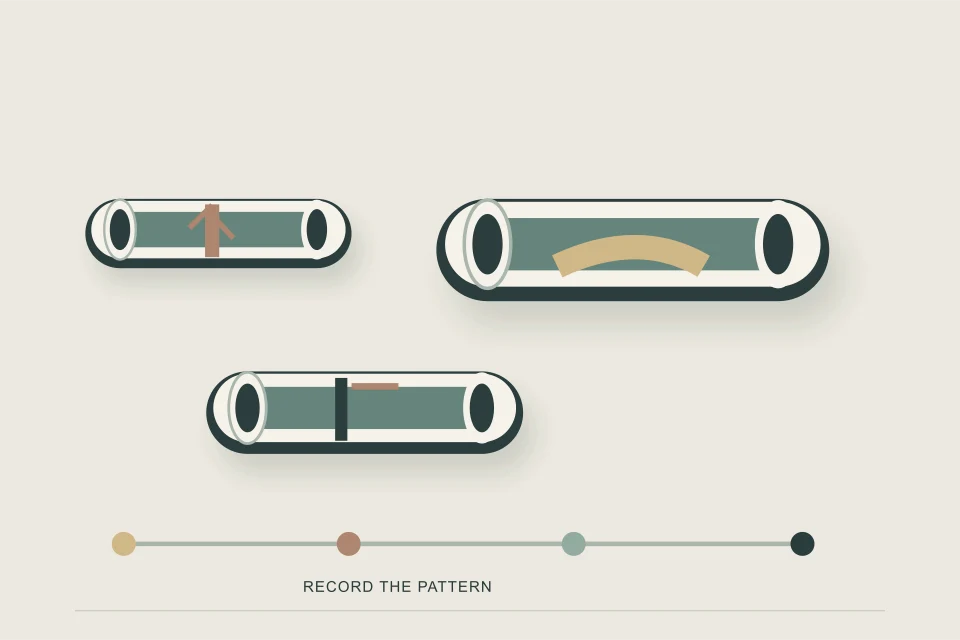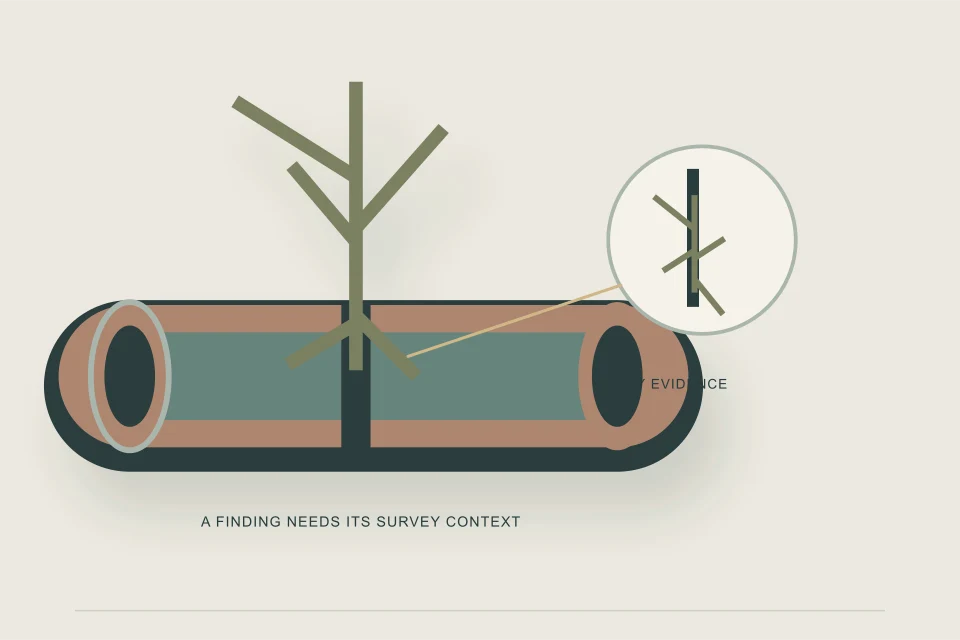
A root finding should identify where material is visible, its apparent extent and what the view cannot establish about the surrounding pipe or joint. Ask for the original interval and reporting limits. A qualified reviewer should connect any next task to that evidence; roots on a screenshot do not determine ownership, full condition or a universal repair method.
- Keep root observations linked to the original recording.
- Ask which joint or wall was actually visible.
- An obscured remainder remains an evidence gap.
- Separate the finding from the repair and responsibility decisions.
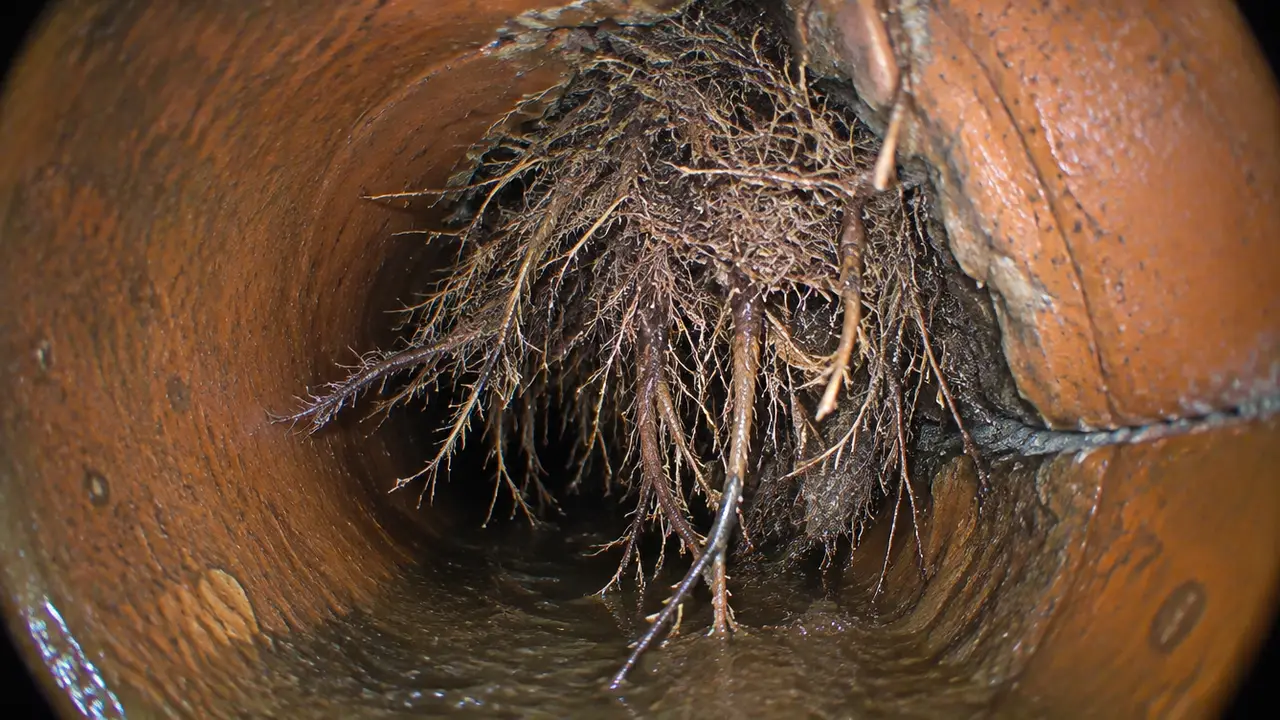
01 /What should a report mean when it says roots?
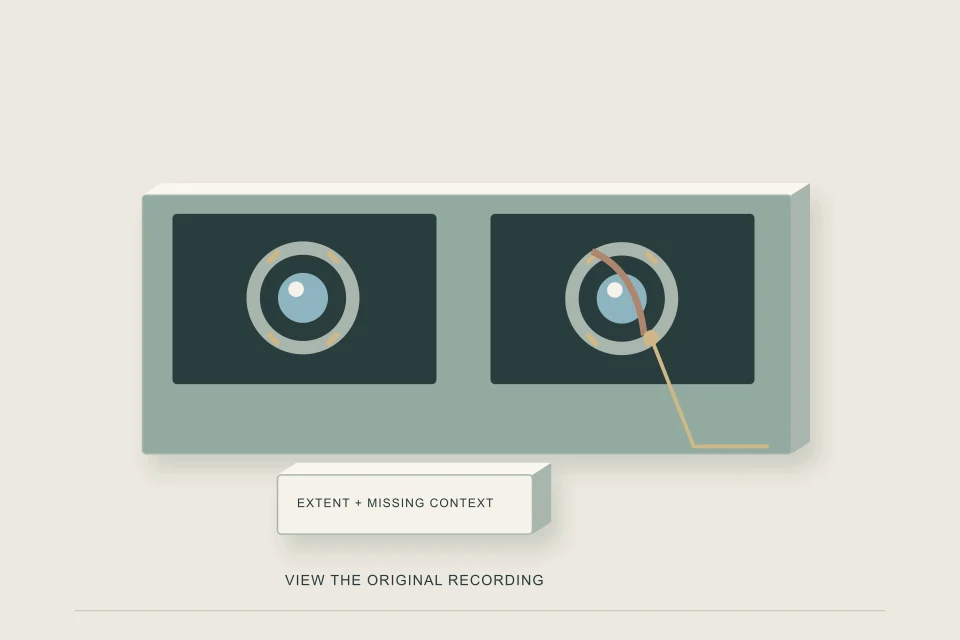
The report should describe the visible material and its location in the surveyed route. Ask for the original recording interval, camera reference and apparent extent. The word roots is a finding label, not a complete account of every joint, external condition or section beyond the camera. A usable report should make clear what the inspector saw and which part of the interpretation remains uncertain.
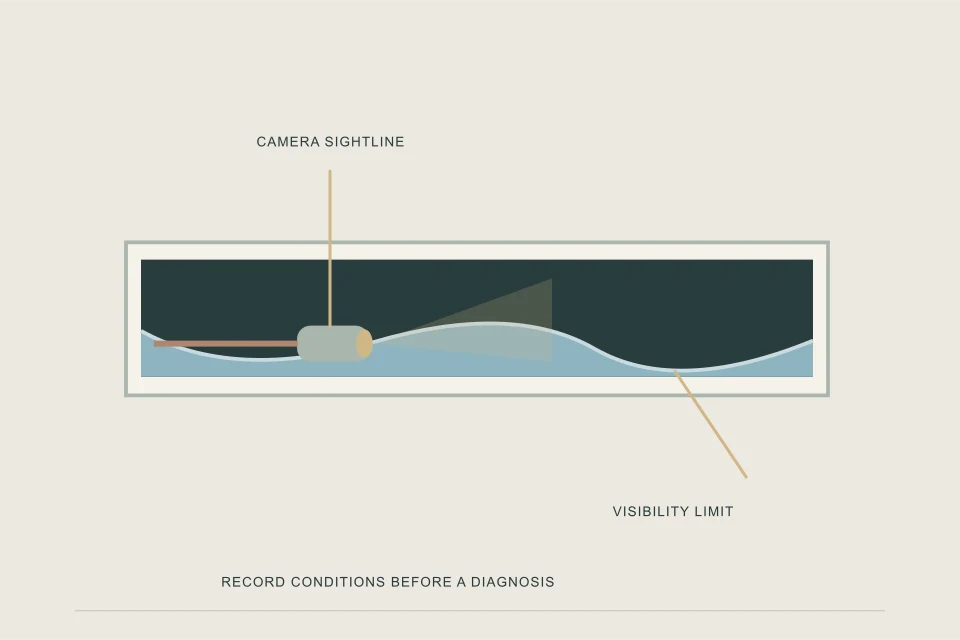
Keep the observation with its route context. A close-up can show material while omitting whether the camera reached the intended endpoint or whether water and deposits hid nearby features. The root-entry diagram explains a possible mechanism, not a measured defect at your property. Do not compare the schematic to a screenshot as a substitute for a qualified review of the original file and its limits.
02 /How should roots and a pipe joint be described separately?
Describe the visible root material separately from the joint or wall condition the record actually shows. Ask whether the surrounding feature was clearly seen, partly obscured or not assessable. An inspector may interpret the material’s entry point, but the report should explain the evidence for that conclusion. Do not treat the presence of roots as a complete measurement of an opening or structural condition outside the camera view.
If a repair recommendation depends on the joint, request the supporting interval and any further assessment it needs. A post-cleaning view may supply different evidence, subject to the provider’s actual scope. Retain both records with the intervening task identified. Where the view remains incomplete, a reviewer can acknowledge that limit rather than confidently describing a hidden feature or predicting the whole line’s remaining life.
03 /Which details make a root observation reviewable?
| Detail | What to ask for |
|---|---|
| Identity | Property, date, entry and route |
| Evidence interval | Time reference in the original recording |
| Distance | Units and the camera start reference |
| Visible extent | Location and provider’s description of the observed material |
| Joint context | What adjacent feature was visible or obscured |
| Travel limit | Whether the intended remainder was reached |
| Next step | Purpose and prerequisites of the proposed task |
Use the checklist to request clarification, not to score a defect from an image yourself. A missing reference may be information the provider can supplement; an obscured feature may require new evidence. Keep those different situations distinct. Another reviewer should be able to find the same interval and understand the limitation without accepting the first recommendation solely on authority.
04 /Why might clearing be proposed before further assessment?
Clearing may be proposed when material prevents useful travel or visibility. Ask the qualified provider what the task is expected to reveal, which section it covers and how it chooses a suitable method. NASSCO’s maintenance overview identifies improving inspection as one purpose of cleaning. That does not mean every root observation requires the same equipment or that the owner should prescribe an aggressive method from a generic illustration.
Keep the initial record if available; it may document why the first survey stopped. If a later view is obtained, ask whether it reached the missing section and what condition could then be assessed. A restored passage and a useful condition record are separate outcomes. Do not assume either one automatically supplies the other. Have added work approved explicitly and keep the actual extent with the invoice and report.
05 /Does a root finding settle a purchase or repair decision?
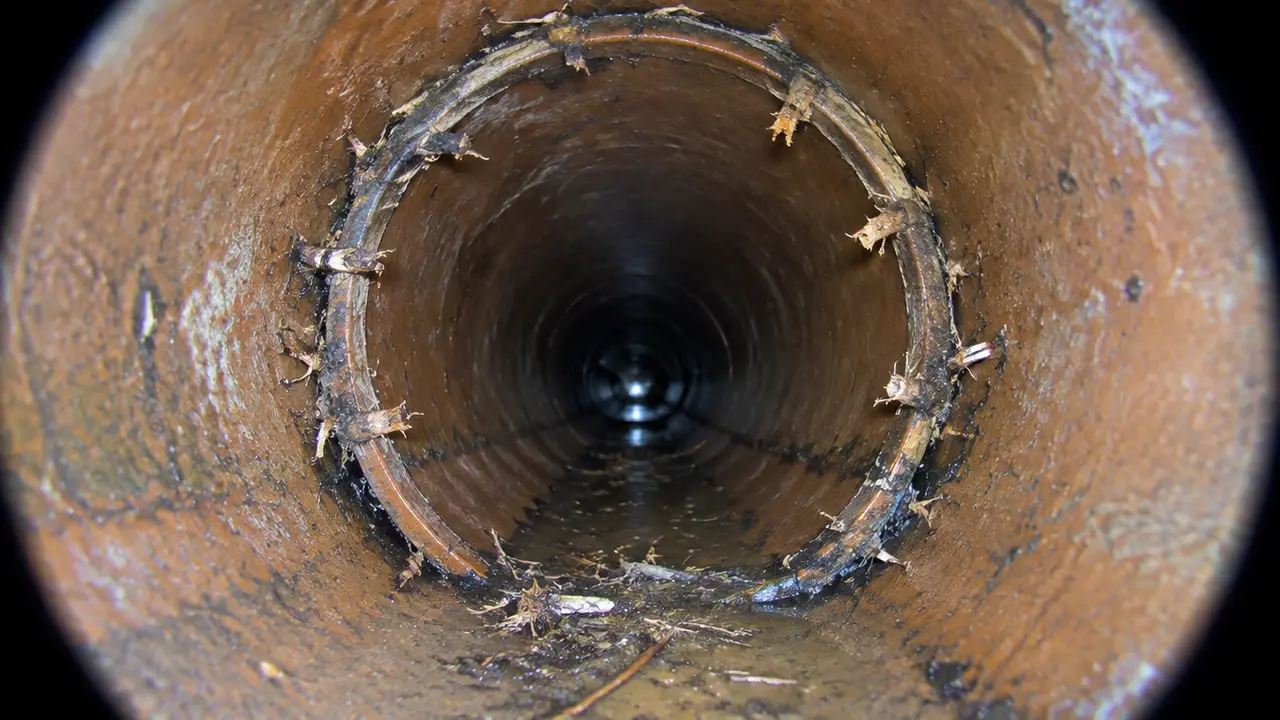
It supplies evidence relevant to the decision, but the actual scope and interpretation matter. A buyer needs usable findings and limits before the decision deadline. An owner reviewing repair needs a connection between the recorded concern and the proposed method. A report may leave further location, access or condition questions open. Ask the qualified adviser or provider which of those facts would materially change the next step.
For an illustrative purchase packet, an original file might show a root interval and then stop before the exterior route’s intended endpoint. The visible finding is useful, while the unseen remainder remains unresolved. Keep both facts in the discussion rather than turning a single label into a whole-property verdict. Do not remove the inspection limit when sharing the report with another adviser because the conclusion sounds simpler without it.
06 /What does Calgary’s public information establish?
Calgary’s sanitary lateral lining information identifies root intrusion among concerns in aging sewer infrastructure and describes its own program sequence. That establishes local context, not diagnosis or eligibility for a particular private property. Ask the appropriate authority which public process applies to the actual asset. Do not assume the municipal program covers private work or that its method and timetable are the same as a responding contractor’s proposal.
Ownership, maintenance responsibility and tree-related questions need the relevant property and authority records. A footage counter, apparent entry point or nearby tree is not a legal determination. Keep a condition finding separate from those responsibility questions in the property packet. The inspector can describe visible evidence without deciding every obligation, and the owner can seek appropriate advice without rewriting the technical report as a cost-allocation instruction.
07 /How should a proposed repair be connected to the footage?
Ask the contractor to identify the observation its proposal addresses and the intended work limits. Request its method rationale, access assumptions, prerequisites and completion evidence. If the camera view does not support every assumption, name the missing information. A root label should not silently expand into replacement of unrelated branches, nor should a clear-looking interval be used to dismiss the visible concern elsewhere.
A qualified second opinion can focus on that relationship using the original recording and written proposal. Provide the specific question: whether a relevant joint was visible, whether the route was complete or what evidence supports the intended limits. A reviewer may identify further investigation rather than endorse a particular method. Keep the response with its date, supplied files and limits, especially when later cleaning or repair changes the condition.
08 /How do you prepare an actionable roots enquiry?
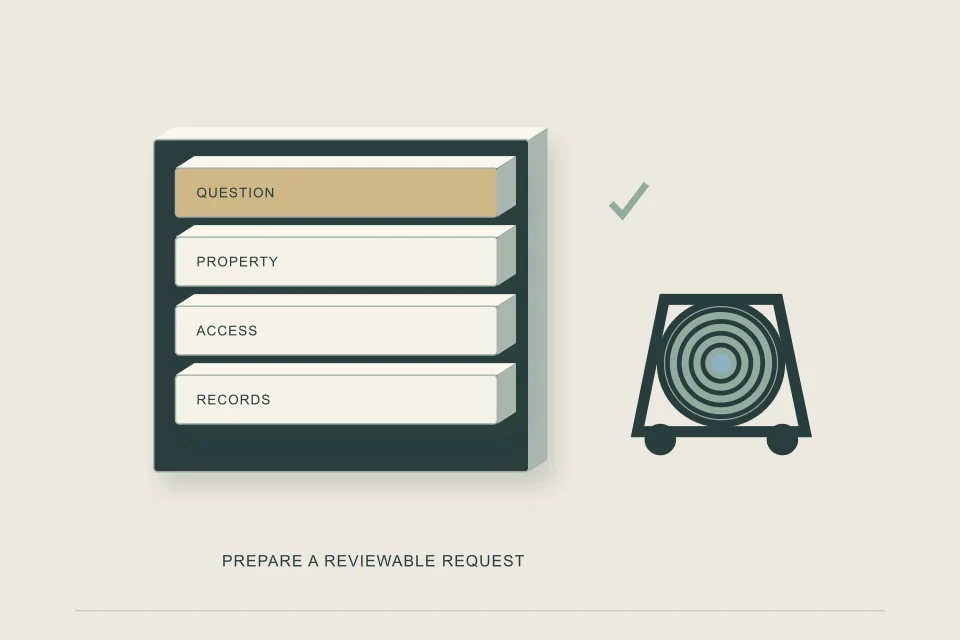
Use the inspection scope builder to identify whether the reason is recurring symptoms, a purchase or existing-footage review. In the private form, add the actual file references, service history and unresolved question before submitting with consent. Choose Video only if that is what you hold, and make clear whether it is the full original or an extract. The tool does not analyze uploaded footage automatically.
The team can organize the enquiry and clarify available review options; a qualified provider must confirm practical scope and terms. Keep actual findings, interpretations, proposed work and responsibility questions distinct. Ask for the record needed to make the next decision instead of seeking a universal answer about every pipe with roots. During an active sewage incident, obtain appropriate urgent assistance before relying on a planned review request.
FAQQuestions people ask
Do roots prove the joint is broken?
Ask what surrounding feature the camera actually showed and what was obscured. The report should distinguish visible material from an interpretation of the entry or structural condition. A root observation can justify a further question without establishing every external detail. Request the original interval and any additional assessment supporting a proposed repair.
Does removing roots provide a complete condition assessment?
Not automatically. Clearing extent, restored passage and inspection coverage are separate outcomes. Ask whether a later recording was included and which walls, joints and remaining sections could be assessed. Keep the original and post-work files where available with dates and task descriptions. Do not treat an invoice for clearing as footage of an uninspected route.
Can I determine responsibility from the root image?
No. The technical observation does not establish legal ownership or contractual maintenance responsibility. Identify the actual route and consult the appropriate property and authority records. Keep that question separate from the camera finding. A nearby tree, a screenshot or a distance counter should not be used alone to assign who must approve or pay for work.
What should a second-opinion reviewer receive?
Send the original recording, report and specific proposed-work question. Include the relevant interval, access reference and any later cleaning, repairs or symptoms. Explain missing records honestly. The reviewer can assess the evidence held and its limitations, but a remote response should not be presented as a new inspection of sections that were never visible.
NETWORKGo deeper across the HAUSE Sewer network
What a good sewer inspection report contains
What a sewer inspection report should include: full video, distances, locate and depth marks, a line map and clear limits. A checklist to judge any report.
SewerCleaners.caA preventive sewer maintenance schedule you can actually follow
A preventive sewer maintenance schedule for Canadian homes: monthly, seasonal, yearly and multi-year tasks, intervals by pipe type, and a log template.
DrainAugering.caWhy the clog came back after the drain was snaked
Why a drain clog came back after snaking: incomplete clearing, grease, roots, scale, sags, offsets, wipes and venting, with a repeat-clog diagnosis checklist.